
Understanding the Unique Needs of Aging Pets: Signs to Watch For and How to Help

INTRODUCTION
One day, your pet will jump up and down on the couch like a kangaroo after a cup of coffee. The following one? “I remember when this used to be fun,” they moan as they gaze at the couch.
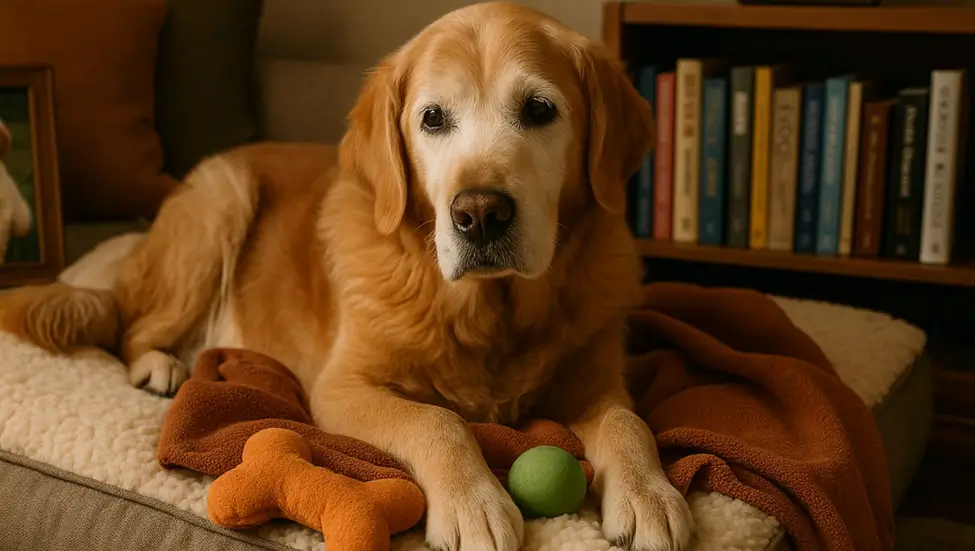
Your once-hyper fluffball will begin to embrace naps, snacks, and old-soul wisdom as you enter the Golden Years of Pet Parenthood—a lovely, strange, and occasionally a little drool-inducing phase of life. Your elderly pet now has special demands, oddball behavior, and no tolerance for loud noises or cheap goodies, much like a cuddly little grandma.
Sound familiar? Let’s dive into what to look for, what to expect, and how to keep your wise old whiskered wonder feeling fabulous.
►What Exactly Is a “Senior” Pet?
(Spoiler: They may still act like puppies, but their joints disagree.)
Age in pets isn’t one-size-fits-all. Your 11-year-old Chihuahua may be living her best life in stilettos (figuratively, we hope), while your 6-year-old Great Dane is already planning his retirement party.
General Guidelines for Senior Status:
- Small dogs: 10+ years
- Medium dogs: 8+ years
- Large/Giant dogs: 6–7 years
- Cats: 10+ years
- Rabbits & small critters: 4–6 years
Fun fact: Some cats stay sassy into their twenties. And no, they still won’t come when you call them.
►Signs Your Pet Is Aging (and Possibly Judging You)
The signs of aging in pets are often subtle—like “Did he just walk into that chair?” subtle.
What to watch for:
- Slower movement or limping (Zoomies now happen only in dreams.)
- Increased sleep—from 14 hours to “Are they okay?” levels
- Graying fur, especially around the face
- Changes in appetite or water intake
- Confusion or disorientation (e.g., forgetting which door is the exit)
- Accidents in the house—not out of spite (probably)
- Decreased hearing or vision—or both Or selective
► The Top 5 Senior Pet Health Issues (and What You Can Do)
Aging pets are charming, but they come with their own set of potential problems. Think of them as vintage models—high mileage, still adorable, slightly squeaky.
1. Arthritis & Joint Pain
Look for stiffness, slow movement, or reluctance to climb stairs
Help with: Joint supplements (glucosamine & chondroitin), orthopedic beds, ramps, and regular, gentle exercise
2. Dental Disease
Bad breath, drooling, or refusing dry food ? Check those chompers.
Help with: Vet cleanings, dental treats, and brushing if you value your fingers
3. Cognitive Decline
Wandering, forgetting commands, staring into space like a tiny philosopher
Help with: Puzzle toys, routine, and vet-recommended supplements
4. Loss of Vision and Hearing
Colliding with barriers and failing to answer your voice (or, as usual, ignoring it)
Help with: Visual clues, night lighting, and vibration-based communication
5. Problems with the bathroom or incontinence
Accidents frequently, having trouble holding it, or going more frequently
Help with: Frequent urination, puppy pads, and veterinary examinations (if necessary)
►Adapting Your House to an Elderly Pet (They Deserve a Retirement Makeover)
Let’s face it, elderly pets have earned their love of comfort.
Senior-Friendly Upgrades:
Non-slip rugs for safer walking
Pet ramps or stairs to avoid couch-launching injuries
Elevated food bowls for neck-friendly dining
Orthopedic beds (memory foam: not just for middle-aged humans!)
More accessible litter boxes for senior cats—low entry, less effort
Pro tip: Some pets may need more potty breaks or shorter walks, but that just gives you more couch cuddle time. Win-win.
►Keep That Senior Brain Busy (But Not Too Busy—They Nap Now)
Mental stimulation is still important for older pets, just in a slightly slower, “we prefer Sudoku over skydiving” kind of way.
Great activities include:
- Food puzzles
- Hide-and-seek with treats
- Short training sessions (yes, they still learn—especially if cheese is involved)
- Window watching
►Vet Visits: Now With Extra Tests and Bonus Treats
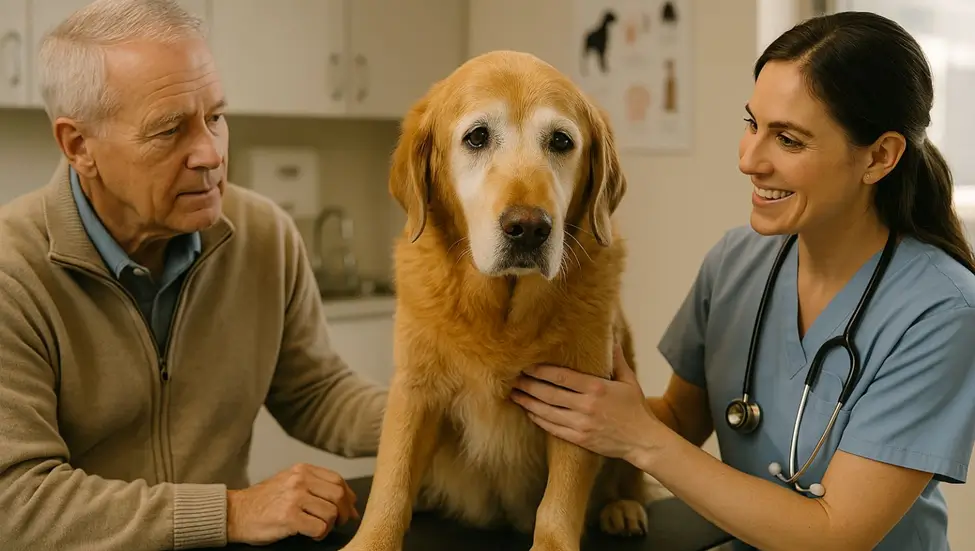
If you haven’t bonded with your vet yet, now’s the time. Senior pets need more frequent check-ups to stay ahead of any sneaky issues.
What to schedule:
- Vet visits every 6 months
- Routine bloodwork and urinalysis (think of it as their “senior wellness panel”)
- Dental checks
- Weight monitoring (because “fluffy” might mean something else now)
Survey stat: Pets who had twice-yearly checkups after age 7 lived an average of 2 years longer than those with only annual visits. That’s two extra years of belly rubs, naps, and weird sleeping positions!
►Emotional Support for the Human(s)
Caring for an aging pet is rewarding, but also emotional. Seeing your furry best friend slow down can be bittersweet.
So yes, you’re allowed to:
- Tear up when they struggle to climb the stairs
- Celebrate their “good days” like mini holidays
- Talk to them like they’re your wise therapist (because they are)
- They’ve been your constant through moves, breakups, Zoom calls, and binge-watching marathons. Now it’s your turn to be their rock.
►Final Paw-spective: Aging Isn’t the End—It’s a New Chapter
Sure, your pet may be older, slower, and a little more gassy. But they’re also wiser, cuddlier, and still full of love. The tail may wag slower, the eyes a little cloudier—but the heart? Still pure gold.
So love them deeply, laugh at the weird snores, and cherish every slow shuffle and sleepy headbutt. After all, the golden years are still years full of gold.