
The Importance of Socialization and Training for Your Pet’s Well-Being


INTRODUCTION
Imagine your cat greeting visitors calmly instead of vanishing like a hairy ninja, or your dog strolling through the park with assurance as if they were running for “Mayor of Cute City.” When dogs are properly socialized and trained, that’s the enchantment—they flourish, you unwind, and everyone benefits.
However, a pet’s training and socialization are not merely “nice extras”. They are crucial. Consider them to be the emotional vitamins that your pet needs in order to mature into a happy, self-assured friend. Without them? You’re essentially raising a little, charming, four-legged tornado.
With a dash of humor, a touch of compassion, and a ton of pet love, let’s examine why these two pillars are so important.
Socialization: The World Is Vast, Strange, and Beautiful
Through experience, we learn as children what is frightening and what is safe. Animals ? Your pet becomes accustomed to the unfamiliar (and occasionally chaotic) environment they live in through socialization, which includes things like vacuum cleaners, mailmen who seem to materialize out of nowhere, skateboards, and doorbells.
The Importance of Socialization:
1. Increased self-assurance and emotional equilibrium
A well-socialized animal approaches new situations like a professional. Rather than becoming terrified by every sound or stranger, they learn to think, “Okay, this is weird, but I can deal.”
2. Fewer Fear-Based Actions
Fear is the root cause of many “problem behaviors” such as biting, barking, growling, and hiding. That dread may be prevented from taking root by socialization.
3. Improved Interpersonal and Animal Relationships
A socialized pet gets along better with kids, visitors, other pets, and even the odd squirrel (even if, let’s face it, squirrels are always going to be wary).
4. A More Complete and Joyful Life
The world is more enjoyable for pets who feel secure enough to explore it. Every new smell, sight, or sound becomes an opportunity rather than a threat.
Training: More than Simply Sit, Stay, and Roll Over
Training is frequently thought of as an obedience checklist: sit, stay, high five. However, actual training goes beyond that. It’s a combination of communication, trust, and cooperation wrapped up in a soft bundle.
The Importance of Training:
1. Protects Your Pet
“Come” can prevent your dog from crossing roads.
They can be prevented from eating anything harmful by leaving it alone.
Training actually saves lives.
2. Reinforces Your Relationship
Training time involves more than instruction; it’s also about forming relationships. “Hey, we’re in this together,” is what you may say during each session. That’s something pets adore.
3. Intellectual Stimulation
The brain of your pet also requires exercise. Their minds are challenged during training, which keeps them sharp and makes them feel like the intelligent beings they really are.
4. Improved Conduct Equals Reduced Stress
A well-trained animal is aware of limits and expectations. This translates into a far more peaceful daily existence with less chaos and fewer accidents. In other words, less “What in the WORLD are you doing?!” moments.
Advice on how to interact like a pro
- Begin Early (But It’s Never Too Late)
Yes, puppies and kittens are perfect candidates, but adult pets can also learn with the use of rewards and patience. A wide variety of treats
- Maintain a positive attitude about experiences.
New folks ? Treat.
Treats for a new sound?
New surroundings ? Treat.
In essence, your pet is the Oprah of treats: “You get a treat! You get a treat!”
- Go Slowly
Don’t bombard them. Introduce new situations gradually and give them time to adjust.
- Get to know different types of creatures
Your pet should be accustomed to all forms, sizes, and accoutrements, including those of tall individuals, little people, children, cats, dogs, those who use wheelchairs, umbrellas, and hats.
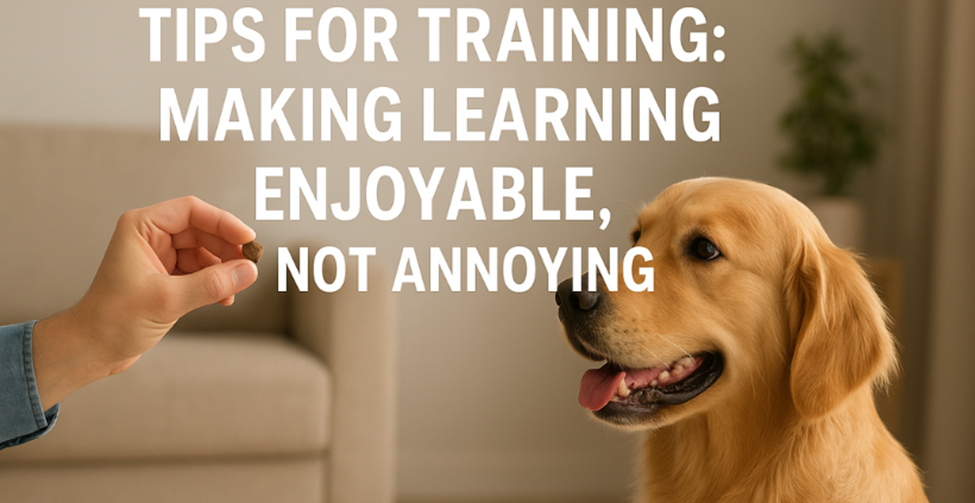
Tips for Training: Making Learning Enjoyable, Not Annoying
- Keep Sessions Brief
Five to ten minutes is sufficient. All pets need brief lessons dispersed throughout the day, not TED Talks.
- Use Positive Reinforcement at All Times
Instead of punishing the bad conduct, reward the good behavior. treats, praise, stomach rubs, joyful dances, or whatever else gets your furry learner going.
- Be patient and consistent.
Teaching a child is similar to training one. The light will eventually go off, even if they don’t get it the first or fourth time, and presto! you have a genius pet.
- First, focus on giving basic instructions.
Don’t move, stay, come, or leave it. Before trying out for a dog talent show, perfect these.
The Gorgeous Reward
The actual magic is this: By investing in socializing and training your pet, you’re enhancing their quality of life rather than merely changing their behavior. You’re contributing to a sense of increased security, compassion, and manageability in the world.
In exchange, you get a companion who trusts you, listens to you, and lives life with assurance rather than anxiety.
Training and socialization are not tasks; rather, they are love in action. They are how you communicate to your pet, “I’m here, you’re safe, and together we’re going to make this world awesome.”
And honestly ? Every pet hopes for and every pet parent deserves that kind of relationship.