
Understanding Heatstroke in Pets: Signs, Prevention, and What to Do in an Emergency

INTRODUCTION
Imagine this: The sun is acting like a microwave on a scorching summer afternoon, and your dog is panting as if it just completed a marathon—but it barely covered five feet. In the meantime, your cat is lying on the chilly tile floor, stretched out like a fluffy pancake. Adorable ? Indeed. Worrying?
Pet heatstroke is a severe and frequently underappreciated risk. Our animal friends do not have the luxury of sweating out their heat-related problems as humans do. They rely on panting instead, and if it is insufficient, things might quickly go wrong.
More than 80% of pet owners are ignorant of the early warning signs of heatstroke in their animals, according to a 2023 survey conducted by the American Veterinary Medical Association (AVMA). Let’s dissect heatstroke, including what it looks like, how to avoid it, and what to do if your pet gets into hot water.
Chapter 1: What is Heatstroke?
When a pet’s body temperature rises over average and they are unable to cool down effectively, they may suffer from heatstroke, also known as hyperthermia. Dogs often have body temperatures between 101 and 102.5°F (38.3 and 39.2°C). Over 106°F (41.1°C) can be lethal, and anything over 104°F (40°C) is hazardous.
The Reasons Pets Are More At Risk
Pets don’t perspire like people do, with the exception of very little perspiration from their paws. Rather, they cool down through:
- Panting (which works—until it doesn’t).
- Looking for shade, if there is any
- Drinking water, if it is available to them.
Heatstroke develops when these cooling techniques don’t work. On a hot day, dogs and cats can become alarmingly hot in as little as 15 minutes!
Typical Reasons for Heatstroke
- Being abandoned in a parked vehicle, even for a short while
- Over exercising in hot temperatures (your dog isn’t sure when to stop).
- Absence of water or shade (particularly in humid weather)
Some breeds—such as Persians and Bulldogs—are more vulnerable than others. Sorry, flat-faced cuties.
Chapter 2: Recognising the Indications
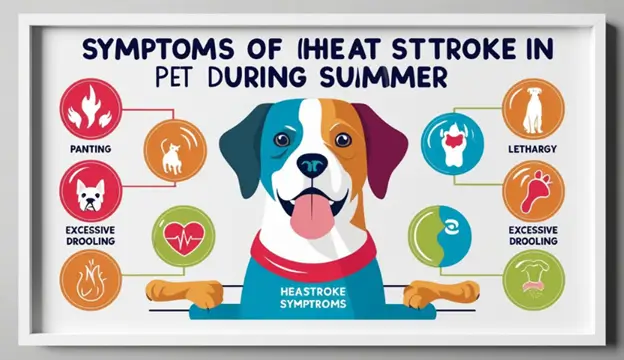
How do you tell if your pet is in danger or just hot? Here are a few typical red flags:
- Initial Signs
Excessive panting: It’s a warning sign if your dog is breathing more heavily than a teenager attempting to run a mile in gym class.
Excessive salivation: Thick, stringy saliva? Not typical.
Elevated heart rate: Something is wrong if you can feel their heart pounding as if they just saw a squirrel.
- Serious Symptoms: It’s Time to Get Worried, But Remain Calm
Disorientation: Acting “off” or walking erratically could be signs of hyperthermia.
Diarrhoea or vomiting: This indicates that a serious situation is developing.
It is an emergency at this point if there are seizures or collapse!
Chapter 3: Prevention: How to Stay Calm Like a Professional
Good news! If you take the proper precautions, heatstroke can be completely avoided.
1. Pets should never be left in a hot car, even if the windows are cracked.
In just a few minutes, a car may become an oven. Your car may reach 100°F (38°C) in 20 minutes, even when the outside temperature is only 70°F (21°C). at 32°C (90°F)? In essence, it’s a death trap.
2. Hydration, Hydration, Hydration
Make sure your pet always has access to fresh, cool water. Consider getting a doggie water fountain—because some pets think stagnant water is so last season.
3. Shade and cool spots are essential.
If your pet is outside, make sure they have plenty of shade. Cooling mats and kiddie pools can save lives (and are amusing to watch kids use).
4. Watch Out for High-Risk Breeds
Short-nosed breeds like Pugs, Bulldogs, Persian cats, and Boston Terriers are more vulnerable because of their adorable—but inefficient—respiratory systems.
Chapter 4: Emergency! What to do if your pet has heatstroke?
Step 1: Move them to a cooler area.
Remove your pet from direct sunlight as soon as possible, and bring them indoors or into the shade.
Step 2: Cool them down (but not too quickly!)
- Use cool (not ice-cold) water to soak their skin.
- Apply cool, moist cloths to their tummy, armpits, and paws.
- Use a fan to circulate air.
- Avoid immersing them in icy water as it may cause shock and worsen the situation.
Step 3: Offer small amounts of water.
Allow them to drink little sips of water, but do not force it.
Step 4: Go to the vet!
Heatstroke can inflict internal harm, even if your pet appears to be improving. Get them checked as soon as possible.
Chapter 5: Funny Heatstroke Stories (that Luckily Ended Well)
- Ice Cream Bandit
A Golden Retriever in Texas became so overheated that he raced onto an ice cream truck and refused to leave until the vendor offered him a popsicle. His owner had to purchase the full box to entice him out.
- The feline that found the air conditioner
In Florida, a Persian cat discovered that the best way to stay cool was to lie directly on the air conditioner vent. Unfortunately, until his owner stumbled over him, it also rendered him totally undetectable.
Final Thoughts:
In conclusion, make sure your pets are safe and cool!
Although pet heatstroke is serious, you can keep your furry friends safe, cool, and content with a little knowledge and a lot of common sense. Recall:
✅ Keep dogs out of hot cars at all times.
✅ Give them lots of water and shade.
✅ Spot the early warning signs of overheating.
✅ Respond promptly to emergencies.
Your pet depends on you to make wise decisions because, let’s face it, if you let them, they would most likely spend the entire day lying in the sun. Keep those tails wagging and stay cool!