
Traveling with Pets: Essential Tips for a Stress-Free Experience


INTRODUCTION
Ahh, travel. The open road, the picturesque skies, the aroma of airport pretzels… and the sound of your dog puking in the backseat after seeing a squirrel at 60 mph.
Whether you’re driving or flying, traveling with pets can be both a heartwarming and slightly insane experience. According to the 2024 Pet Travel Trends Report, 67% of pet owners have taken their furry friend on a trip in the recent year, with 42% preferring to travel with their pet over their in-laws.
So, how can you arrange a journey with your four-legged buddy that doesn’t end with you or them howling? Buckle up—here are the crucial (and humorous) suggestions for a stress-free pet travel experience.
1. Plan as if you are traveling with royalty.
Let’s face it: your cat has a better life than most college students.
Prior to the travel, check:
- Pet-friendly lodging (indeed, some hotels have dog spas—what a time to be alive!)
- Airline pet policies (some allow cabin travel, others… treat them as checked luggage)
- Vaccinations, ID tags, and microchip information
Pro tip: Make sure you book everything in advance. According to the 2024 Rover Travel Survey, pet-friendly hotel rooms are 22% more likely to be booked during peak travel periods. Fido isn’t the only one moving about these days.
2. Prepare for Your Pet Like a Dog Mom on Pinterest.
If you thought packing for a kid was difficult, imagine packing for someone who consumes garbage and can’t tell you what they forgot.
Pet travel essentials:
- Food and snacks (do not switch brands mid-trip unless you enjoy cleaning up “surprises”)
- Water bowl
- Medications (including soothing aids if your pet becomes motion sick or overly emotional)
- Favorite toy or blanket (for emotional support and drooling)
- Having a leash, poop bags, litter box, brush, sweater, and booties has become the norm.
- A first-aid kit for pets is a bonus item.
3. Get them used to traveling before the big day.
Don’t let the first time your cat sees a car be when you’re driving across the country. You’ll end up with 800 miles of opera meowing.
For a smoother ride:
- Make brief car journeys beforehand.
- Practice crate time within the house.
- Play travel sounds at low level throughout dinner—yes, truly!
According to the 2024 Pet Behavior Journal, pets who have been “prepped” through practice journeys are 33% less likely to freak out and hide under the vehicle seat for four hours.
4. Master the Crate Game (Because Freedom is an Illusion).
Your pet may be a free spirit, but airport and traffic safety regulations suggest otherwise.
Crate Tips:
- Make it comfortable by adding a blanket, a garment that smells like you, and a toy.
- Ensure it is well-ventilated and airline-approved.
- Allow them to investigate it before traveling
Tip for cat owners: Line the crate with pee pads and pray. Cats are petty. They understand what they’re doing.
5. Tire them out first (so they can sleep through the chaos).
- A tired pet is a calm pet. Or, at the very least, too fatigued to try to eat through their kennel
- Puzzle toys drain brain energy.
- Don’t feed your pet sugar, even if they politely ask for it.
The 2024 Barkonomics Report found that dogs that exercised before traveling were 40% less stressed during flights. This is more effective than in-flight peanuts.
6. On the road, embrace frequent stops and weird looks.
Pets, like people, require stretch breaks and restroom breaks. Probably more than you.
Road trip rules:
- Stop every 2-3 hours for toilet breaks and walks.
- Never leave kids in a parked car—heatstroke can happen faster than you can say “gas station burrito”
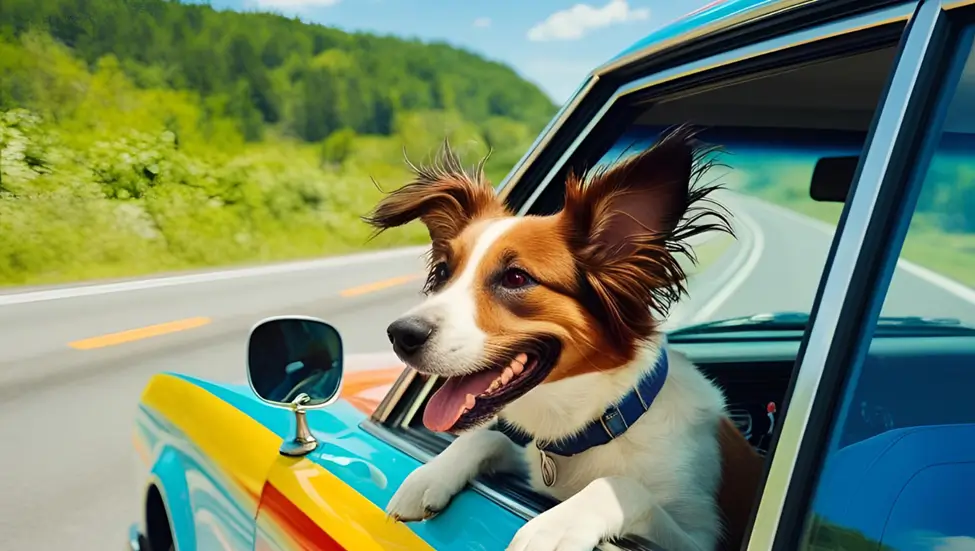
- Yes, turn off Windows. Head completely out the window = “Instagram moment,” but also possibly not safe at 70 mph.
7. In the Air: Check the Fine Print (And Check It Again)
Flying with pets can be either a breeze or a bureaucratic nightmare accompanied by cat shrieking.
Flying Tips:
- Only tiny pets usually fly in-cabin (under 20 lbs with carrier).
- Book direct flights wherever possible.
- Bring soft-sided carriers (easier to put under the seat and gentler to cry into when your cat yowls during takeoff).
- Pets should not be sedated unless directed by a veterinarian; it is not safe at high altitudes. Instead, try natural relaxing sprays or a squirrel-related podcast.
8. Once you arrive, let them sniff everything.
New odors, new hotel rooms, and new fire hydrants—there’s a lot to take in.
To help your pet adjust:
- Conduct a walk-through so they may inspect (or inspect and pee, in the dog’s case).
- Maintain their normal food and toilet schedule.
- Reassure them with familiar goods (and maybe a hotel pillow you’re willing to lose forever).
Also, if your dog howls during housekeeping, the hotel workers will definitely remember you. Please tip liberally.
9. Expect chaos (and bring a sense of humor)
Something will go wrong. Maybe they poop while boarding. Perhaps they throw up on your rented vehicle seats. Perhaps you forgot the snacks and they are now hating you
But, you know what? It’s okay.
At the end of the day, your pet got to explore the world. They stuck their head out the window on a steep road. They didn’t care if the air conditioner broke or you forgot toothpaste.
Final Thoughts: The Journey is Better with Fur.
Traveling with pets is not always easy, but it is always worthwhile. You’ll collect stories, memories, and most likely a lot of fur in unexpected places. But you’ll also see the world through their enthusiastic tiny eyes—which is really remarkable.
So gather the snacks, channel your inner pet whisperer, and hit the road. Because your canine copilot is prepared to go.