
Training a pet

INTRODUCTION
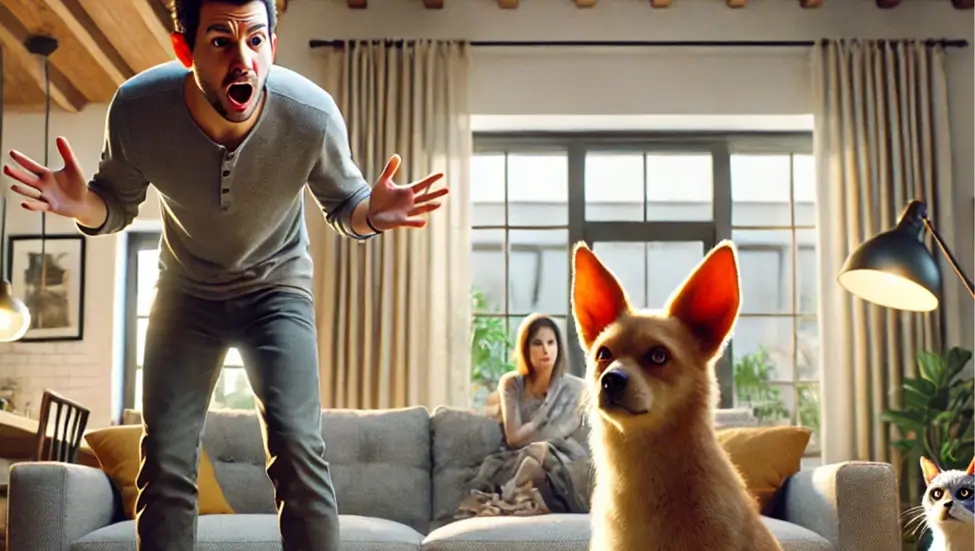
Training a pet is like parenting—except your “child” eats kibble, chases their own tail, and occasionally destroys your furniture when you’re not looking. While training is essential for a well-behaved furry companion, many pet owners make common mistakes that can hinder progress, leading to frustration for both humans and pets alike.
So, what are these training blunders, and how can you avoid them? Let’s dive in, with a mix of research-backed advice, humor, and real-life examples to keep things interesting!
1. Inconsistency: The “Do as I Say, Not as I Do” Dilemma
The Mistake:
Pets thrive on routine, but many owners send mixed signals. One day, the dog is allowed on the couch; the next, it’s a punishable offense. If the rules change depending on your mood, your pet won’t understand what’s expected.
Survey Says:
A 2023 study by the American Pet Behavior Association found that 68% of pet owners admitted to being inconsistent with commands, leading to slower training progress.
How to Fix It:
- Set clear, consistent rules and stick to them.
- Ensure all household members enforce the same commands and rules.
- Keep cues simple and the same every time (e.g., always say “sit” instead of “sit down”).
2. Using Punishment instead of Positive Reinforcement.
The Mistake:
Old-school training methods frequently relied on punishment, such as yelling or employing force. However, research show that positive reinforcement —rewarding good behavior—is significantly more successful
Survey Says:
According to a study published in the Journal of Veterinary Behavior, dogs trained with reward-based strategies were 60% less likely to develop behavioral difficulties than dogs trained with punishment.
How To Fix It:
- Reward desired behaviours with treats, praise, or playtime.
- Rather than scolding, ignore small misbehaviors.
- Redirect unpleasant behavior rather than punishing it (for example, if your dog eats shoes, offer a chew toy instead).
3. Expecting Instant Results: The “One-and-Done” Fallacy.
The Mistake:
You taught your dog to sit once and now presume they understand it. But, like us, pets require repetition and practice.
Survey Says:
According to a 2022 pet training survey, 75% of pet owners expect results in less than a week, despite expert trainers recommending at least 6-8 weeks of rigorous training
How To Fix It:
- Be patient! Training requires time and repetition.
- Even if skills appear to have been taught, reinforce them on a regular basis
- Celebrate minor accomplishments—Rome was not built in a day, and neither was a flawlessly trained puppy.
4. Overloading Commands: The “Multitasking Mayhem” Mistake.
The Mistake:
“Sit, stay, shake, roll over, fetch!”—all in one go? That’s like expecting someone to learn calculus before mastering basic math.
Survey Says:
According to the 2023 National Dog Training Survey, 58% of pet owners admitted to overwhelming their pets with too many commands at once.
How to Fix It:
- Focus on one command at a time.
- Keep training sessions short (5-10 minutes per session).
- Build on previous lessons gradually.
5. Using the Wrong Timing: “Oops, Too Late!”
The Mistake:
Pets live in the moment. If you reward them too late, they won’t associate the treat with the action you wanted.
Survey Says:
Research from the University of Animal Cognition found that reinforcement must happen within 1-2 seconds of the desired behavior for optimal learning.
How to Fix It:
- Reward immediately after the desired action.
- Use a clicker or a clear verbal marker (like “Yes!”) to mark good behavior before giving a treat.
6. Neglecting Mental Stimulation: “A Bored Pet is a Destructive Pet”
The Mistake:
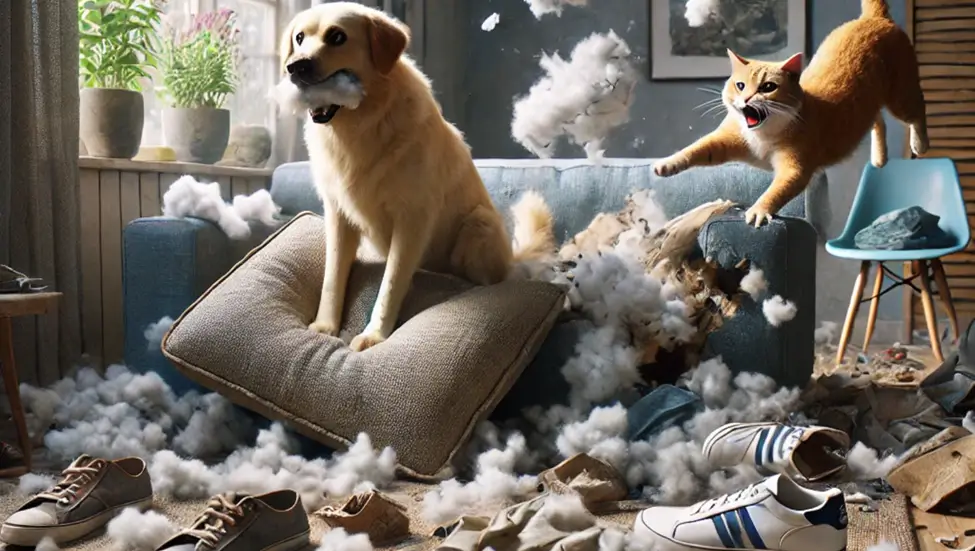
Many owners assume physical exercise alone is enough, but mental stimulation is just as crucial. A bored pet can turn into a mischief-maker.
Survey Says:
A recent study found that mentally stimulated dogs had a 40% lower chance of engaging in destructive behavior compared to those with only physical exercise.
How to Fix It:
- Use puzzle toys and interactive feeders.
- Incorporate new tricks and challenges into training.
- Allow pets to explore new environments safely.
7. Reinforcing Bad Behavior: “Oops, I Rewarded That?”
The Mistake:
Your dog barks at the dining table, so you toss them a treat to calm them. Congratulations—you’ve just taught them that barking is food time!
Survey Says:
According to a poll conducted by PetBehavior Now in 2023, 42% of pet owners unwittingly reward undesired behaviors.
How To Fix It:
- Avoid responding to attention-seeking behaviors.
- Reward only calm and desirable actions.
- Be wary of unintentional reinforcement—never give in to those puppy-dog eyes!
Last Thoughts: Training with Patience and Humor!
Training a pet is not about perfection; it is about development. Mistakes happen, but being aware of them is the first step in improving communication with your pet. And remember, if training doesn’t go as planned, you’ll have some hilarious stories to share!