
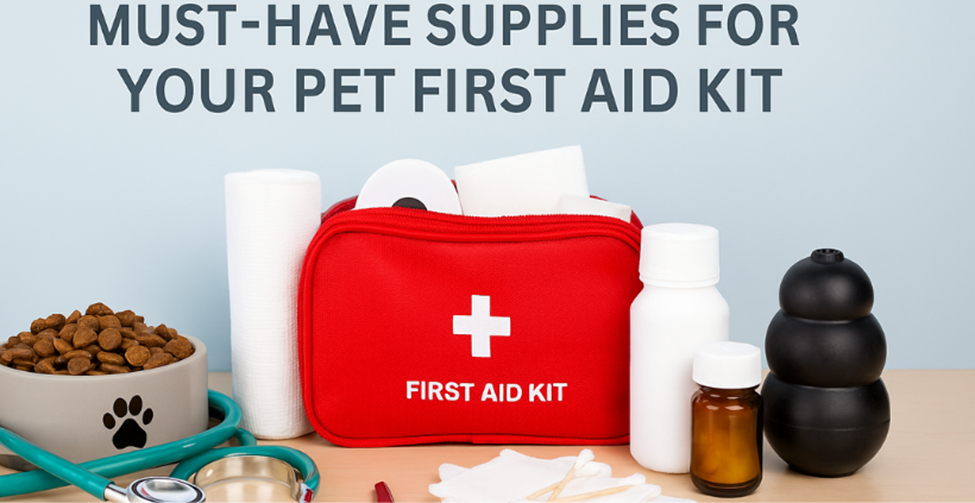
Top 10 Must-Have Supplies for Your Pet First Aid Kit

INTRODUCTION
Imagine this: it’s a beautiful after-noon, your dog is running after butterflies, your cat is climbing the curtains like a fierce jungle cat, and everything seems perfect. Then — suddenly! — your brave little animal takes a risk too far. This might mean a hurt paw, a sting from a bee, or a moment when they think something is food but it’s really not.
Here comes the anxiety. In those times, being prepared is not just smart — it can save a life. That’s when a pet first aid kit comes to the rescue like a superhero’s cloak for pet owners. Because let’s face it, accidents occur — and while we can’t wrap our pets in bubble wrap (though the idea can be tempting), we can get ready to deal with surprises calmly and confidently.
So find a bag, a container, or even an old lunch box — it’s time to fill it with the top 10 essentials your furry friend needs.
1. Gauze Pads and Bandages – The All-stars of Any Kit
Gauze pads are a bit like duct tape for pet injuries — handy, important, and always useful when things go wrong.
They help stop bleeding, shield wounds, and support sore areas. Use them with sticky medical tape or a bandage that sticks to itself (the kind that won’t stick to fur — because that hurts).
Extra tip: Skip the regular Band-Aids. They don’t work well with fur and can trap dirt. Choose a stretchy, breathable wrap made for animals.
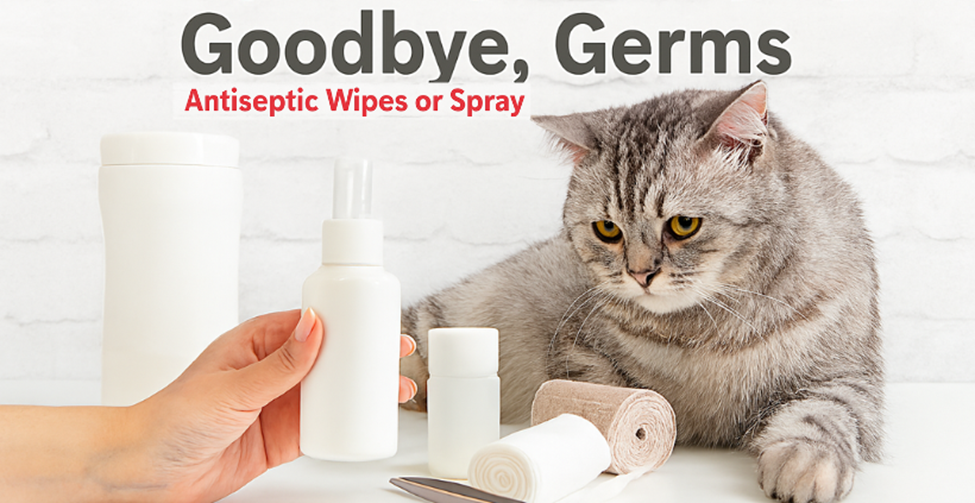
2. Antiseptic Wipes or Spray – Goodbye, Germs
Scrapes can happen anytime. Dirty paws and unexpected falls too. That’s why pet-safe antiseptic is essential.
Avoid using alcohol or hydrogen peroxide unless your vet advises it — they sting and can slow down healing. Clean minor cuts gently with antiseptic wipes or spray before applying a bandage.
Extra tip: Some sprays include soothing aloe to ease irritated skin. Your pet will appreciate it by giving you fewer annoyed looks.
3. Blunt-Tipped Scissors – The Safe Cutters
Whether it’s cutting gauze, trimming fur around an injury, or untangling your dog from a tricky mess, scissors are your best tool.
Always choose blunt-tipped scissors — they help avoid accidental pokes if your pet squirms (and, let’s be honest, they will squirm).
Trust me, these small scissors will make you feel like a vet assistant in an exciting film.
4. Disposable Gloves – Because Cleanliness is Important
When treating injuries, keeping things clean is crucial. Keep some disposable gloves nearby to protect yourself and your pet.
They not only guard against infection but also make cleaning up less messy. Let’s just say some pet emergencies are easier to manage with some protection.
5. Digital Thermometer – The Honest Checker
Did you realize that a pet’s normal temperature is higher than that of humans? For dogs and cats, it ranges from 100°F to 102.5°F.
A simple digital thermometer can quickly let you know if something is wrong. Keep a bit of lubricant (like petroleum jelly) handy — you’ll need it for taking readings rectally.
Yes, it can feel uncomfortable. However, when your pet’s well-being is at stake, it is definitely worth it. Just be sure to mark it as “FOR PET USE ONLY.”
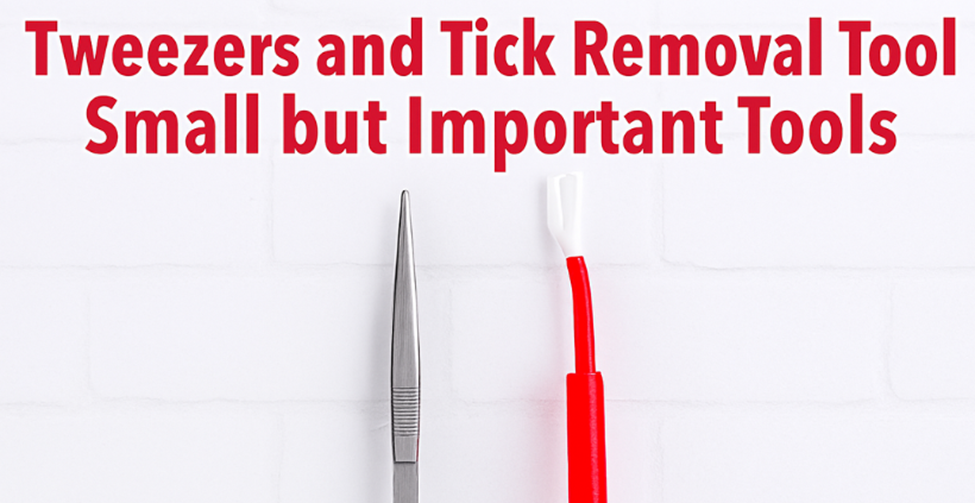
6. Tweezers and Tick Removal Tool – Small but Important Tools
If your pet gets a splinter from playing outside or a tick after a walk, tweezers or a tick removal tool are essential items.
Ticks can transmit diseases quickly, so it’s crucial to take them out carefully — don’t twist or crush them.
Have a small container on hand to save the tick (not pleasant, but useful for your veterinarian if testing is needed). You’re basically turning into your pet’s personal investigator.
7. Hydrogen Peroxide (3%) – For Specific Emergencies
Alright — this one is debated, but it’s still significant. Under a veterinarian’s guidance, 3% hydrogen peroxide can be used to make your pet vomit if they swallow something poisonous (and it’s safe to do so).
Do not use it without calling your vet or a pet poison guidance line first. Some things can cause more harm when expelled.
So yes, keep it in your kit — but consider it a last-resort option, not your first thought.
8. Muzzle or Soft Wrap – For Safety When Feeling Anxious
Even the most gentle dog can bite when frightened or hurt. A soft muzzle can help keep everyone safe while you assist.
For smaller dogs or in emergencies, you can create a quick muzzle with gauze — just make sure to practice it beforehand so you’re not struggling when it matters.
Remember, this is about maintaining calm, not enforcing control. Once your dog is settled, the muzzle can be taken off.
9. Vet and Emergency Numbers – Your Essential Contacts
You might be surprised at how tough it is to remember your vet’s number when you are feeling anxious.
Write down or save these numbers in your kit:
- Your regular veterinarian
- The closest emergency animal hospital that is open 24 hours
- Pet Poison Helpline: (855) 764-7661 (U. S. )
Because when panic strikes, quickness is crucial
10. Blanket or Towel – For Comfort and Safety
A blanket serves two purposes — it keeps your pet warm if they’re feeling unwell, and it helps you carry them safely if they are hurt.
It can also provide comfort when the trip to the vet feels a bit overwhelming. It helps if it smells familiar.
Final Thought: Being Prepared Equals Ease of Mind
Let’s be honest — pets are really good at getting into trouble. But with a first aid kit that is fully stocked, you can face little surprises with confidence instead of chaos.
Keep it in a convenient spot, check on it every few months, and include your vet’s favorite tips. Because being prepared isn’t about anticipating the worst — it’s about caring for your furry family enough to always support them.
After all, heroes aren’t always in capes — sometimes, they just have well-organized first aid kits.
ABxbsLFoPLjMFiycZFcq
Your comment is awaiting moderation.