
The Ultimate Guide to Homemade Cat Treats: Healthy Recipes Your Feline Will Adore

INTRODUCTION
Let’s be honest—your cat already believes they are royalty. They strut around like furry emperors, knock over your water glass without hesitation, and give you that “you may pet me now” look as if they possess your soul. So, why are you still giving them sweets shaped like fish but tasting like confusion?
It’s time to level up. Welcome to the world of handmade cat treats—where love is measured in tuna flakes and your cat now respects you.
Don’t worry, though. With a few tactics, some delectable ingredients, and a sense of humor, you can pique their interest. Probably
1.Why Go Homemade?
(Aside from attempting to impress your cat like they’re a Michelin cuisine reviewer).
Sure, those store-bought snacks come in bright, crinkly wrappers that your cat enjoys. However, they commonly include:
Mysterious byproducts (Is “meat derivative” really a genuine term?)
Lots much salt, preservatives, and questionable colors.
The unusual “beef-flavored” odor suggests remorse.
Benefits of homemade treats:
- You choose the ingredients (great, no weird fillers!)
- Healthier and allergy-friendly
- Budget-friendly (save your money for vet expenses and costly collars)
- Can use as bribery during vet visits or claw cutting.
Fun Fact from the 2024 Paws & Provisions Poll:
73% of cat owners who created handmade treats reported higher affection from their feline overlords. Coincidence? We think not.
2.Treat-Making Basics: What You Will Need
Before you loot your fridge like a bewildered cat burglar, here are some essentials:
✅ Feline-Approved Ingredients:
- Cooked chicken, turkey, or salmon (no seasoning, for purists)
- Tuna in water (without oil or brine!)
- Eggs (for binding plus protein)
- Catnip or silvervine (also known as kitty crack)
- Pumpkin puree (helps with digestion and sass)
- Oatmeal, rice flour, or whole wheat flour (unless your cat is gluten-free—wow, fancy).
❌ Ingredients to avoid:
- Onion, garlic, and leeks (toxic!).
- Chocolate (they won’t eat it, so don’t risk it)
- Dairy (most adult cats are lactose intolerant. (Who knew.)
- Artificial sweeteners (particularly xylitol—extremely harmful!)
Recipe 1: Tuna & Catnip Bites
Ingredients:
- 1 can of tuna in water (drained)
- 1 egg
- 2 tablespoons oat flour
- 1 teaspoon dried catnip
Instructions:
- Preheat oven to 325°F (163°C).
- Mix all ingredients until it forms a mushy dough (technical term).
- Roll into tiny, judgment-sized balls and flatten slightly.
- Place on parchment paper and bake for 10–12 minutes.
- Cool completely, serve with jazz hands.
Survey snack stat: 8 out of 10 cats immediately gobbled these. The other two stared at them for 15 minutes before walking away in slow, dramatic protest.
Recipe 2: Chicken and Pumpkin Purr-puffs (ideal for cats who prefer organic foods).
Ingredients:
- 1/2 cup cooked shredded chicken (plain)
- 2 tablespoons pumpkin puree.
- 1 egg
- ¼ cup rice flour
Instructions:
- Mix everything in a dish until you start doubting your life decisions.
- Place small spoonfuls on a baking sheet.
- Bake at 350°F (175°C) for 15 minutes, or until golden brown and puffy.
- Cool, and serve with an apology for touching their tummy.
Fun fact: According to the 2024 “Pet-icure & Pantry” Poll, cats with sensitive stomachs did well with pumpkin-based snacks. So, yeah, pumpkin spice is also for cats.
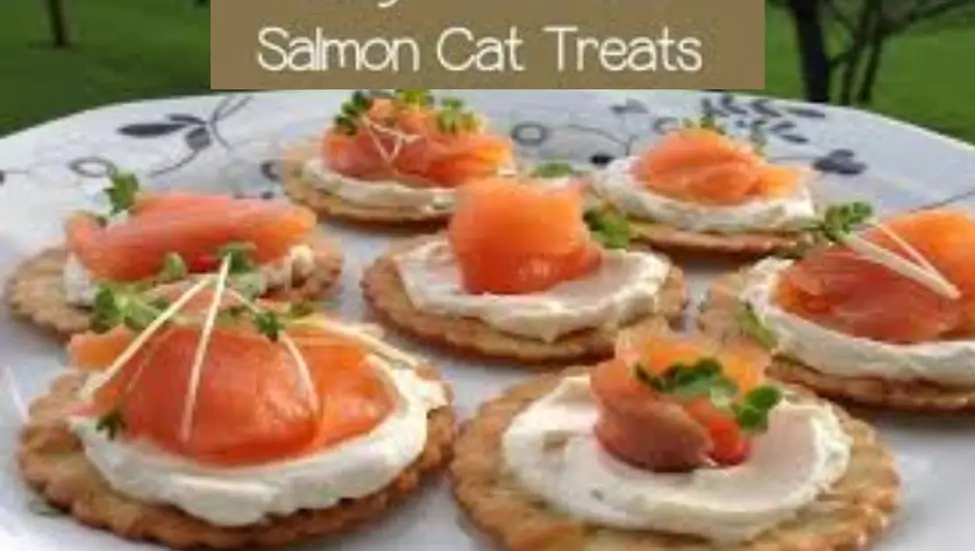
Recipe #3: Kitty Crackers with Salmon
(They’ll blink twice or do backflips for these.)
Ingredients:
- ½ cup of cooked, shredded salmon
- One egg
- One spoonful of coconut flour
- A hint of dried parsley for a breath of fresh air (really, really)
Instructions:
- Mix until a thick paste forms.
- Use cookie cutters to roll it out and cut it into small forms, such as hearts, fish, and tiny passive-aggressive middle fingers.
- Bake for 12 minutes @ 350°F.
- As your cat criticises the plating, watch them become into Gordon Ramsay.
3. Storage and Shelf Life: Because Spoiled Cats Should Not Eat Spoiled Snacks
Homemade goods do not have the same shelf life as nuclear Twinkies, so appropriate storage is essential.
- Store in sealed containers
- Store in the refrigerator for up to one week
- Freeze extras and thaw before using.
Pro tip: Always label your prepared treats properly. You don’t want Grandma to accidently eat one and wonder why her cookie tastes like regret and fish.
4. Will your cat enjoy these treats?
Maybe. Cats are picky and unpredictable, and they may not even be from this planet. However, creating goodies is still a pleasant and caring way to connect with your tiny furry tyrant.
Common reactions could include:
- Consuming the treat and then pretending you do not exist.
- Purring so loudly that you believe they’re broken.
- Ignoring the treat and eating it at 3 a.m. after knocking it behind the fridge.
- They look at you as if you’ve betrayed them—because you used the wrong brand of tuna.
Just remember that even if they don’t love it straight away, the act of attempting makes you a five-star chef in their small kitty eyes. (They simply won’t tell you.)
Final Meow: Treats with Love, Sass, and Sardines
Homemade cat treats are more than simply munchies; they’re delicious love letters stuffed with catnip and sealed with purrs. Whether you’re baking for health, bonding, or simply trying to keep your cat from eating your headphones again, homemade goodies are an excellent answer.
Go ahead and cook, whisker warrior. May your snacks taste good, your floors stay clean, and your cat be a little less judgmental.