
The Top 5 Modern Training Techniques for Pets: How to Keep Your Furry Friend Engaged and Happy

INTRODUCTION
Training your pet has progressed well beyond the traditional “sit, stay, good boy” routine. Modern training techniques are scientifically proven, designed to keep pets interested, and—most importantly—fun for both you and your beloved friend! If you’re looking for new ways to properly train your pet, this article will explain the top five modern strategies, backed up with research, comedy, and real-world examples.
1. The “Instant Gratification” Method of Clicker Training
What It Is:
Clicker training uses a tiny, portable gadget that clicks to indicate desired action, which is then quickly followed by a reward. The sound serves as a clear indication to your pet that they have performed an action correctly.
According to the survey:
Pets trained with clickers acquired new orders 40% more quickly than those trained with verbal signals alone, according to a 2023 study by the American Animal Behavior Institute.
The Reason It Works
- Provide prompt, unambiguous feedback.
- Cats, dogs, birds, and even bunnies can use it.
- Strengthens the owner-pet relationship
For instance:
Max, a fierce Jack Russell, would leap on visitors .Max’s owner used clicker training, marking and rewarding him only when he sat quietly. Jumping became polite sitting within two weeks!
2. “Bribery Done Right” is an example of positive reinforcement.
What It Is:
With this approach, undesirable behaviors are ignored rather than punished, while positive behavior is rewarded with toys, praise, or playtime.
According to the survey:
According to a 2022 study published in the Journal of Veterinary Behavior, dogs that received positive reinforcement training had a 60% lower risk of developing anxiety-related problems.
The Reason It Works
- Promotes a happy, trustworthy connection.
- Lessens behavioral issues brought on by fear.
- Increases retention and learning speed.
For instance:
A rescued Golden Retriever named Bella was frightened of loud noises. Her nervousness was eventually eradicated when her owner used positive reinforcement to treat her each time she stayed composed during thunderstorms.
3. Target Training: “The Magic Wand Technique”
What It is:
A target stick or simply a plain wooden spoon is used to direct your pet’s movement while giving them orders such as “go to bed” or “spin.”
Survey Says:
A 2023 pet training survey discovered that 73% of cat owners who employed target training reported increased obedience and engagement.
Why it works:
- Gives pets visual and physical cues.
- Helps train complex behaviors more efficiently.
- Engages pets psychologically, making training more enjoyable.
For instance:
Luna, a mischievous Bengal cat, would scratch furniture. Her owner taught her to contact a target stick and then rewarded her for leaping on a scratching post instead—problem solved!
4. Interactive Puzzle Training: “Brain Games For Your Pet”
What It is:
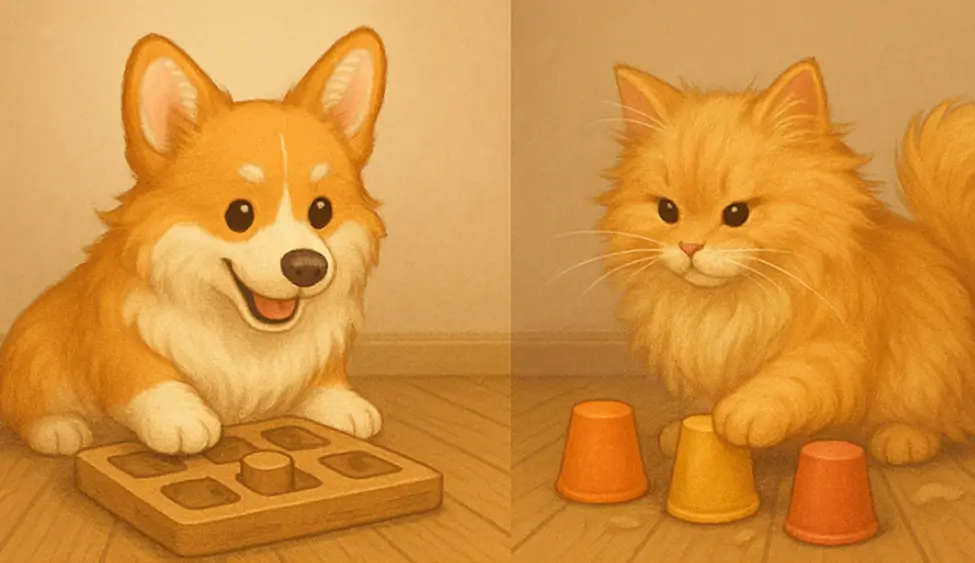
This strategy uses puzzle toys or training games to challenge pets to solve challenges for prizes, keeping their wits sharp and their behavior pleasant.
Survey Says:
The Pet Intelligence Institute discovered that dogs who participated in puzzle-based training were 50% less likely to engage in harmful behaviors.
Why it works:
- Prevents boredom by providing mental stimulation
- Reduces anxiety and harmful behaviors
- Works with various types of pets, including rabbits and birds
For instance:
Charlie, a high-energy Border Collie used to chew on shoes when he was bored. His owner incorporated interactive puzzle toys, transforming destructive behavior into beneficial brain exercises.
5. Socialization and Group Training: “Friends Make Everything Better”
What It is:
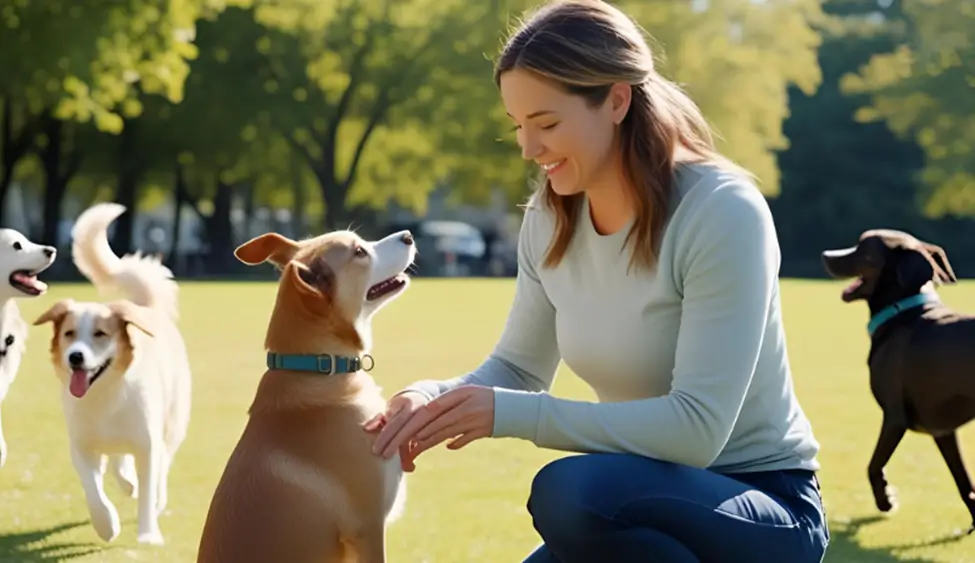
Training your pet in a community setting, such as a dog park or structured classes, trains them to respond to commands even while distracted.
Survey Says:
A 2023 study in the Journal of Canine Behavior discovered that dogs who participated in group training lessons were 65% more likely to obey directions in public settings.
Why it works:
- Teach pets to listen despite distractions.
- Increases confidence in shy or frightened animals
- Improves social skills, lowering hostility and fear
Bailey, a nervous Dachshund, would bark excessively at strangers. After taking a group lesson, she became more relaxed and obedient in social situations.
For instance:
Final Thoughts: Training should be enjoyable for both of you!
Gone are the days of antiquated training methods that make pets afraid. Modern training emphasizes participation, mental stimulation, and pleasurable experiences. Clicker training, positive reinforcement, target training, puzzle games, and socializing will result in a well-behaved, happy pet—and a happier you!
After all, training should be enjoyable, not a duty. So grab your clicker, stock up on treats, and enjoy the ride with your canine companion!