Hydration in Pet’s Well-Being

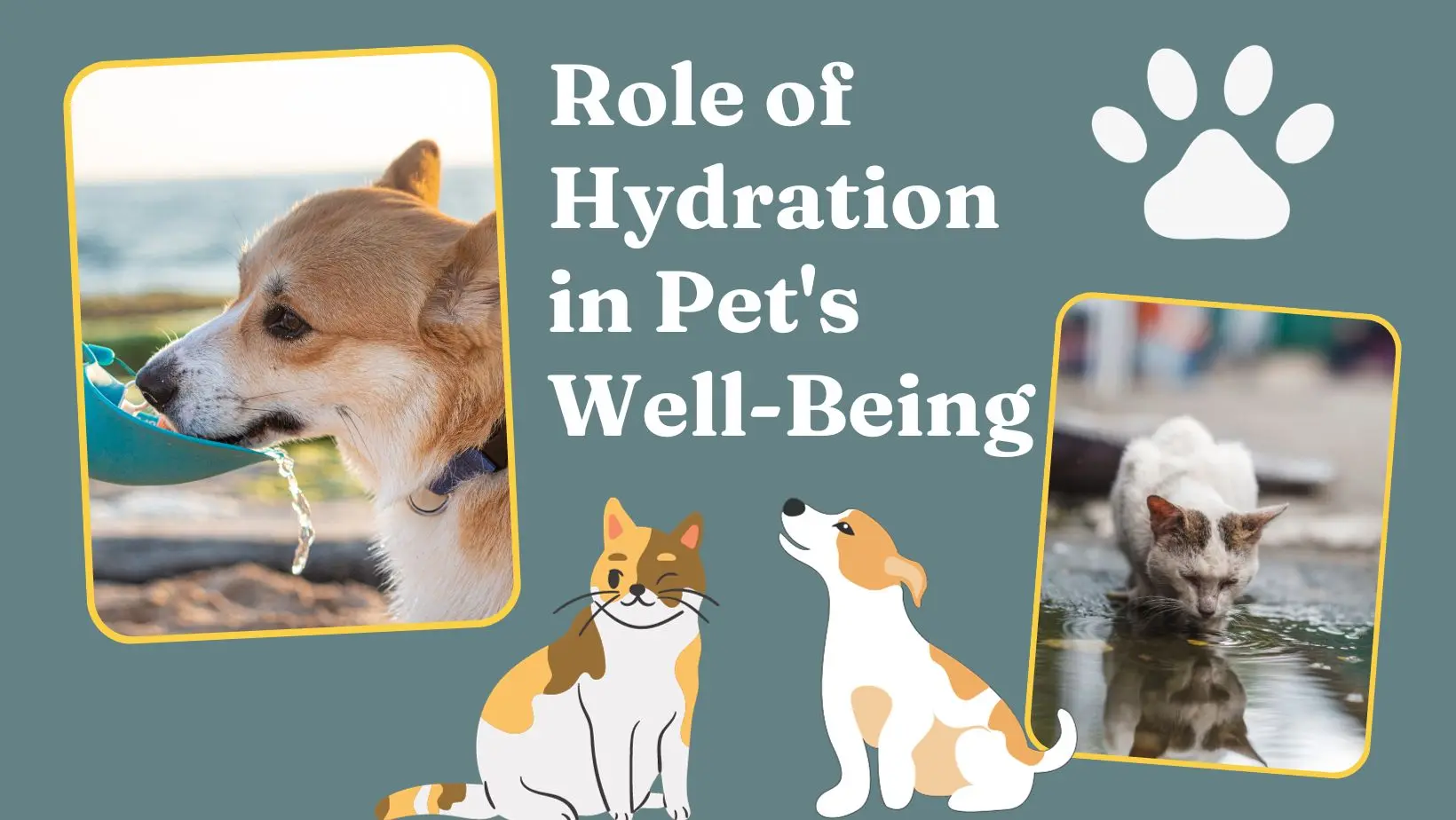
Keeping our cherished pets hydrated is essential to preserving their health. Water is necessary for many physiological processes, thus it’s critical for our pets’ general health that they have access to enough of it. We’ll cover the importance of pet hydration, dehydration symptoms, and useful advice for maintaining your pet’s fluid balance in this extensive guide.
1. The Significance of Hydration
Function of Cells: Water is essential to life and is necessary for the fundamental operations of cells. Water is needed for digestion, nutrient absorption, and the movement of key nutrients throughout the body in both people and pets. Sufficient hydration guarantees that these functions take place effectively.
Temperature Regulation: Pets mostly use panting to control their body temperature, which can cause them to lose a lot of water. Pets must rehydrate themselves in hot temperatures and after physical exertion to avoid dehydration. Their body temperature can be kept within a healthy range by being properly hydrated.
Joint and Organ Health: Water lubricates joints, making movement easier and reducing pain from ailments like arthritis. Additionally, it aids in the kidneys’ filtration of pollutants and supports a healthy urinary system, supporting organ function.
Digestive Health: Adequate hydrated body is necessary for healthy digestion. It aids in meal digestion, nutritional absorption, and stool consistency maintenance. Constipation and other digestive problems brought on by dehydration can have a detrimental effect on your pet’s general health.

2. Pet Dehydration Signs
In order to treat the condition quickly, pet owners must be aware of the symptoms of dehydration in their animals. Typical indications consist of:
Examine your pet’s nose and gums for dryness. These areas ought to be wet in a pet that drinks enough water. A dry nose and sticky or dry gums could be indicators of dehydration.
Skin Elasticity Loss: Gently lift the skin between your pet’s shoulder blades or on the back of their neck. Skin that is well-hydrated should immediately revert to its original posture. Your pet can be dehydrated if it stays tented or takes a while to get back to normal.
Sunken Eyes: Dehydration may be indicated by eyes that appear sunken or lifeless. The eyes of a well-hydrated pet should be clear, bright, and healthy-looking.
Lethargy and Weakness: Dehydrated animals may show symptoms of weakness, lethargy, or disinterest in routine tasks. Check your pet’s hydration levels if they appear especially lethargic or reluctant to play.
Diminished Urination: Modifications in urine patterns may serve as a sign of dehydration. Your pet may require more water if they are urinating less regularly or if the urine has a dark yellow color.
3. How to Make Sure You’re Hydrated Enough
Supply Clean, Fresh Water: Ensure that your pet has access to fresh water at all times. Keep your pet’s water bowls clean and filled on a regular basis to encourage drinking. An appealing choice can be a pet fountain, as some animals enjoy the sound of running water.
Food Rich in Moisture: Your pet’s total water consumption may be increased by feeding them wet or moistened food. An extra source of hydration is provided by canned food, which frequently has a higher moisture content than dry kibble.
Ice Cubes and Broth: To encourage drinking, especially on hot days, consider adding ice cubes to your pet’s water bowl. Furthermore, low-sodium broth makes a tasty and hydrating addition. For a cool treat, freeze broth into ice cubes.
Stay Hydrated: Make sure you have a sufficient amount of water and pack a portable water bowl for your pet while you travel. Staying hydrated is important at home and on excursions and outings.
Keep an Eye on Water Intake: Observe how much water your pet drinks. Any notable adjustments, such as a rise or fall in the amount of water they drink, ought to make their general health more closely examined.
Frequent Veterinary checks: Talk about the patient’s level of hydration when doing routine veterinary checks. Your pet’s unique hydration requirements can be determined by your veterinarian depending on your pet’s age, breed, and overall health.
In conclusion, as it affects many facets of a pet’s health and well-being, hydrated body is essential to pet care. It is our responsibility as responsible pet owners to make sure that our four-legged friends have access to fresh water, a healthy diet, and a nurturing atmosphere that encourages enough hydration. Through the identification of dehydration symptoms and the use of useful advice, we may enhance our dogs’ longevity and well-being by promoting a healthy and active life.