
The Importance of Microchipping: Enhance Your Pet’s Security and Peace of Mind

Introduction: Your Pet Has No Idea Where They Live
Let’s start with the obvious truth: your dog has no clue what street you live on. Your cat? Knows, but chooses not to care. So when your beloved pet slips out the door in pursuit of a squirrel, a bird, or an existential crisis, their ability to return home is limited to pure luck… unless they’re micro chipped.
Micro chipping is the tiny-but-mighty tech solution to one of every pet owner’s worst nightmares—losing their furry family member. And no, it’s not a GPS, and it won’t help them order pizza. But it can absolutely help them get back to you faster than you can say “have you seen my dog?!”
1. What Even Is a Microchip?
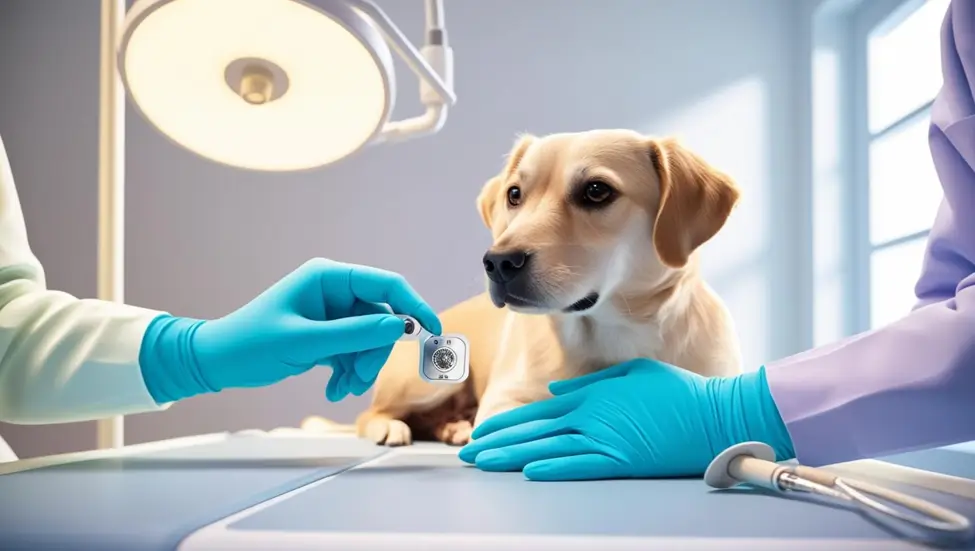
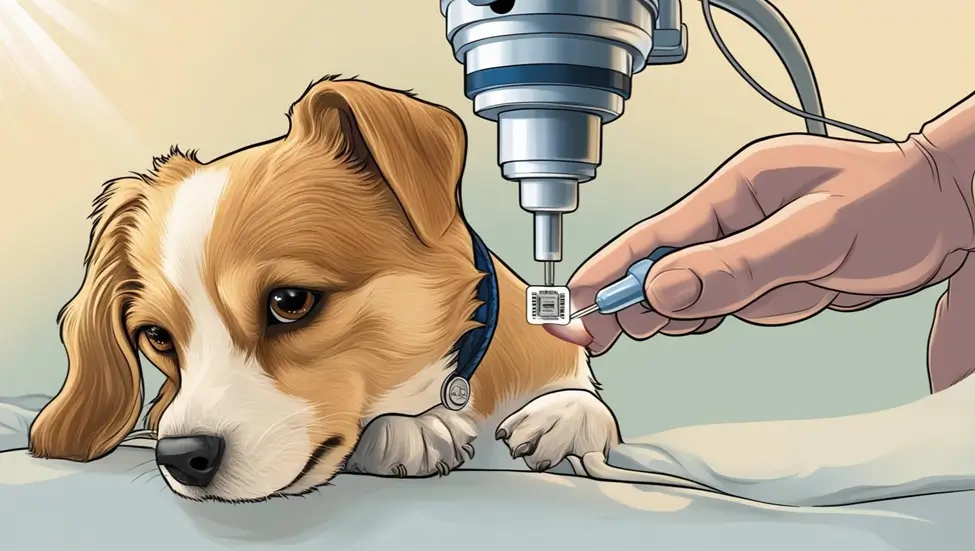
About the size of a grain of rice, a microchip is a tiny electrical device that is placed just beneath your pet’s skin, typically in the space between their shoulder blades. Since it’s not a GPS tracker, it can’t tell you where your dog is right now or what they’re thinking about—likely bacon. Rather, it has a special identifying number that is connected to your contact details in a safe registry. If your information is current, of course, the chip will expose that ID number when a missing pet is located and scanned by a veterinarian or shelter, which will lead back to you. Imagine it as your pet’s name tag—only without the chewing and jingling—that is permanent and impenetrable.
2. Common Myths :
Myth #1: “It’s like a tracking device, right?”
Nope. Microchips don’t have batteries, Bluetooth, or any creepy sci-fi tracking power. They don’t beep, vibrate, or play Despacito.
Myth #2: “My pet wears a collar—they’re good!”
Collars fall off. Tags get scratched. Dogs lose their clothes faster than toddlers. A microchip stays put for life.
Myth #3: “Microchips store medical records, GPS, and the pet’s horoscope.”
We wish. It just holds an ID number that links to a database. All the magic is in the registration—aka the part people forget.
2024 Survey by PetID Weekly: 27% of microchipped pets had outdated owner info in the registry. Microchip: great. Forgetting to update your phone number? Not great.
3. How Microchipping Actually Works (in 4 Easy Steps)
- You visit the vet (or a local shelter or pet clinic).
- They inject the chip—quick and simple.
- You register the chip with your contact info in a national database.
- If your pet goes missing, any shelter or vet can scan them and contact you.
It’s like giving your pet a permanent “If lost, call my mom” tattoo—with zero regret at age 30.
4. Real-Life Heroes: Pets Reunited Through Microchips
Chihuahua Who Took a Cross-Country Vacation
A microchipped puppy from Arizona was discovered in Missouri eight months after vanishing. It seems out she caught a ride in a moving truck. Classic Chihuahua behavior.
The Cat Who Ghosted Her Owners (5 Years)
A microchipped cat in Florida showed up at a shelter five years after she abandoned her home during a thunderstorm. When she was reunited with her owners, she gave them one glance that indicated, “You may pet me now.”
The American Pet Recovery Foundation says that microchips helped reunite over 400,000 dogs with lost families in 2024.
5. Microchips and Modern Tech: A Match Made in Barkland
While a microchip isn’t a GPS, it can team up with apps and smart tags to boost your pet’s security game.
Combine with:
GPS collars: For real-time tracking
Smart ID tags: Scanable by phones
Pet profile apps: Connects your pet’s microchip to online records, alerts, and even vaccination history
2025 PetTech Insight Survey: 54% of pet parents use both a microchip and at least one digital ID system. Why? Because redundancy is the real MVP of pet safety
6. What About Cats? (Spoiler: They Need It More Than Dogs)
We know what you’re thinking. “My cat never leaves the house.”
Oh, sweet summer child. Cats are escape artists with the agility of ninjas and the spite of Shakespearean villains. One open window, one screen door, one “I want to chase that bird”—and boom: gone.
Feline Flee-quency: 70% of missing cats are indoor-only cats that managed a Great Escape. But microchipped cats were returned home 20x more often than non-chipped ones
7. Costs, Clinics, and Excuses.
Cost: Usually between $25 and $50.
Registration: Frequently included; occasionally requires a minor annual charge.
Where you can obtain it: Any vet, low-cost clinic, pet adoption event, or even mobile micro-chipping vans (yes, they exist!)
Excuse Buster: “I’ll do it later” is the antithesis of pet safety. Schedule it much like you would your dog’s birthday party.
8. Keep it updated, else it’s like a fancy rice grain.
The chip only works when the information is correct. This means:
New phone ? Update the database
Moved to a new location? Update the database.
Important Stat: Only 61% of microchip owners remember to update their info after a move (Paw Registry 2024). Don’t ghost your own dog.
9. What Happens When a Pet is Found?
Here’s the real beauty of the microchip system in action:
- Pet shows up at shelter (muddy, confused, and somehow wearing a bandana).
- Staff scans for chip—voila!
- They contact you.
- You cry. Your dog wags. The internet gets a feel-good story.
Everyone wins—especially the confused dog who thought chasing that butterfly into traffic was a great idea.
Conclusion: It’s Tiny, It’s Cheap, and It Could Save Your Pet’s Life
Micro-chipping your pet is like getting a seatbelt for your four-legged family member. It’s not flashy. It won’t get likes on Insta-gram. But it just might be the reason your runaway schnauzer ends up back on your couch instead of a stranger’s Tik-Tok.
So, if your dog has an air of mystery, or your cat likes to plot against you from the window sill, do yourself a favor. Micro chip. Register. Update. Repeat if necessary
Because peace of mind doesn’t come from hoping they’ll stay put—it comes from knowing that if they don’t, you’ve got a plan.