
The Hidden Dangers of Toxic Algae: Protecting Your Pet

INTRODUCTION
Sunshine, lush grass, and sparkling blue lakes that nearly invite your dog to jump in – ah,the wonderful outdoors. It’s a picture-perfect moment until you realize that the water your dog just cannonballed into could be hiding something sinister.
We are discussing poisonous algae, the insidious, unseen enemy that lies hidden in what appears to be a tranquil lake. It’s quite genuine, even if it may seem like it belongs in a science fiction film, and it has the potential to seriously injure your animal.
We will be covering everything that every pet owner needs to know about hazardous algae and how to shield their furry explorer from its cunning grasp, so grab your leash (and perhaps a water bottle for yourself).
What Exactly Is Toxic Algae? (And Why Is It Important?)
Let’s begin with the fundamentals: not all algae are harmful. Some are benign since they are a component of the natural environment. However, the harmful variety, also known as cyano bacteria or blue-green algae, is a different matter altogether.
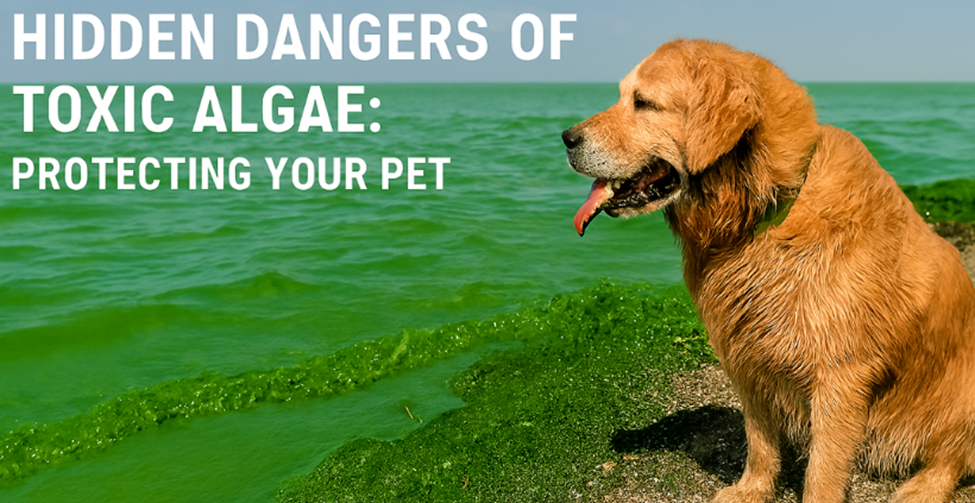
These tiny creatures flourish in warm, motionless water like ponds, lakes, or even puddles that are a bit too green. They produce a thick, paint-like scum on the surface of the water when they bloom, which can range from bright green to dark blue and may occasionally have a strange musty or swampy odor.
Here’s the kicker: a little taste can be hazardous for pets. The liver, neurological system, or skin can be harmed by these toxins, and the onset of symptoms can be quite rapid.
Consequently, this is one “green smoothie” that your canine does not want.
What are some ways that animals are exposed?
Dogs are inquisitive animals. (That’s some of their appeal, isn’t it?)
However, their curiosity might lead them into difficulties with algae, as they could:
- Drink polluted water while engaging in sports or swimming
- After taking a swim, they lick algae off their fur or paws.
- Algae-covered sticks or toys can even be sniffed or chewed close to the water.
Dogs are particularly susceptible because they are smaller and frequently gulp water when they play. On the other hand, cats are often too intelligent (read: finicky) to jump into a dirty pond, but they are nonetheless susceptible to the effects if they drink water from tainted sources or groom algae-covered fur.
Indicators that your Pet May Have Been Exposed
The scary part ? Symptoms may appear hours or even minutes after exposure.
Watch out for these warning signs:
- Vomiting or diarrhea
- Foaming or drooling at the mouth
- Disorientation or lethargy
- Tremors or fits
- Breathing problems
- Breakdown or weakness
Go to the vet right away if you think you have algae poisoning. This cannot be treated at home; urgent care can actually save your pet’s life.
Additionally, don’t wait if your dog behaves strangely after swimming in questionable water. Trust your instincts, or rather, those of your puppy.
Prevention: Keeping Adventures Safe (and Splashy)
The positive is that not all of your excursions outside need to be cancelled. All you need to do is be knowledgeable about algae and use common sense when playing with your pet.
1. Before they jump in, they should scout.
Check before allowing your dog to jump into a pond or lake.
Avoid the water if it is murky, has floating mats of green or blue slime, or has an unpleasant odor. In general, water that is clear and flowing, such as rivers or streams, is safer
2. Provide fresh water everywhere.
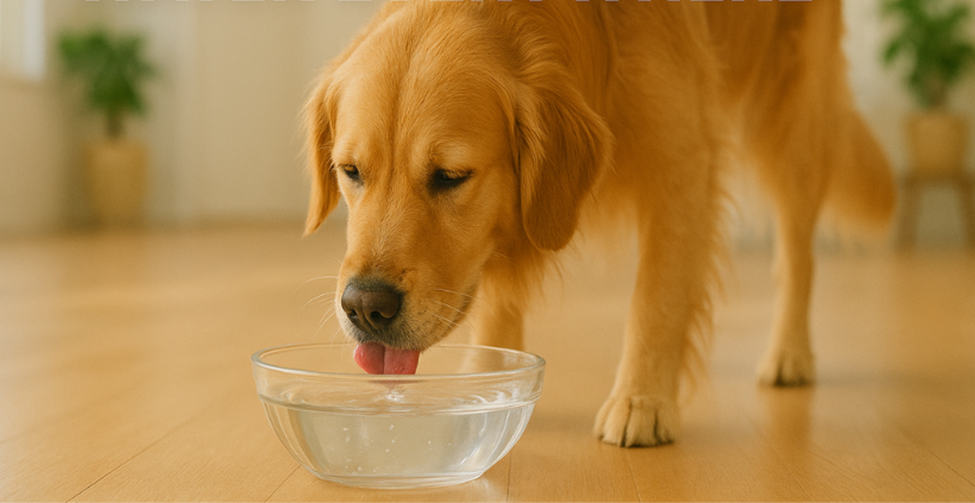
A thirsty dog will consume anything that’s close by, even algae soup if you’re not cautious. Always bring a portable bowl and clean, fresh water for walks, hikes, or park days. Hydrated canines are less prone to drink from dubious sources. 💧
3. Rinse after Playing Outside
Wash your pet off after they stroll or swim close to any natural body of water. Even if the water appears clean, undetectable algae toxins can stick to paws or fur. A quick rinse will keep your pet (and your sofa) safer.
4. Keep your community free from algal blooms.
Pay attention to local warnings! Algae blooms are warned against in several areas, particularly throughout the summer. Before you go, check park websites or community pages.
5. Be on the lookout for signs of animals
A big red flag is if you notice dead fish, frogs, or birds close to the water. This is nature’s method of telling you to “Don’t let your dog near this.”
Myth-Busting: “It’s Okay, It’s Only a Small Pond!”
No. If the circumstances are ideal—warm, sunny, and calm—toxic algae may proliferate in even the smallest backyard puddle.
Additionally, don’t be misled by the hue; it is not always a vibrant green. The hue of certain blooms might be brown, red, or even black. Avoid if you are unsure. The risk is not worth it.
A Little Knowledge Saves Lives
The heartwarming aspect is that awareness makes a big difference.
You’re actively protecting your dog every time you stop before letting them jump into the water and every time you bring along that extra bottle of fresh H2O. You’re essentially saying, “I see you, buddy — and I’ve got your back.”
The reason why dogs are so endearing, silly, and beautiful is because they can’t tell the difference between safe and hazardous water; they simply see pleasure.
So, keep in mind that being a fun, responsible pet owner means knowing when to say “not this one, pal” the next time your furry buddy stares at that alluring pond.