
The Emotional Journey: Coping with the Loss of a Beloved Pet

INTRODUCTION
Pets are more than just creatures. They are our pillars of support, our confidants, our guardians of our secrets, and the only people who won’t condemn us for sobbing while eating ice cream straight from the tub during The Lion King.
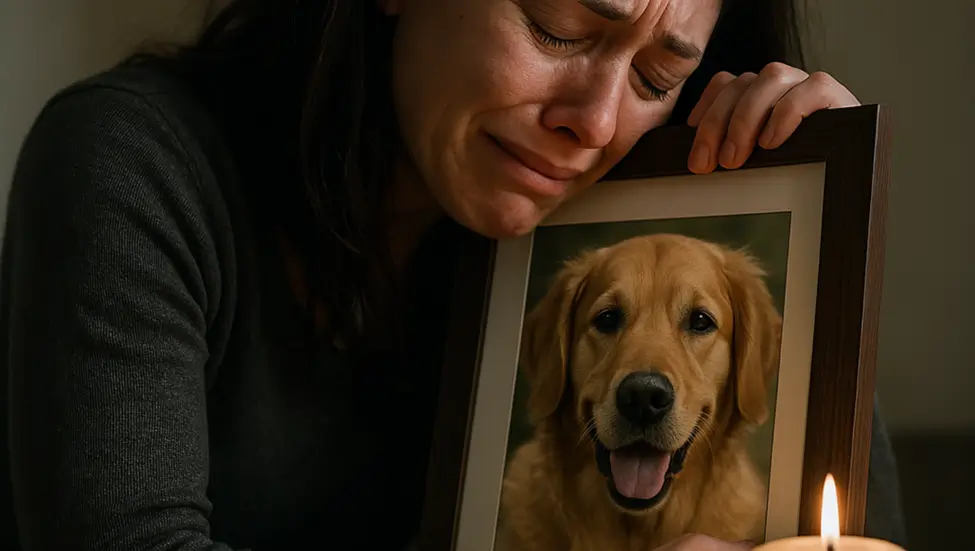
As a result, when we lose them, we are mourning more than “just a pet”—it is a family member.
85% of pet owners say that losing a pet is one of the most emotionally taxing situations of their lives, according to the 2024 National Pet Grief and Wellness Survey. That’s science, not simply sentiment. The loss of a pet is processed by our brains in a manner comparable to that of losing a loved one.
And yet, so many people are unsure how to cope, grieve, or even talk about it. Let’s explore the emotional journey of pet loss, how to navigate the pain, and eventually, how to honor their memory with the love they gave us—unconditionally.
Step 1: Grieving Is Normal—and Necessary
Grief is not one-size-fits-all. There’s no correct timeline, no single “right” way to feel. Whether you’re sobbing in the car, refusing to wash their blanket, or accidentally calling out their name weeks later—it’s all valid.
Common emotions include:
Shock: “It doesn’t feel real.”
Guilt: “Did I do enough?”
Anger: “Why did this happen?”
Sadness: A deep, aching kind that shows up at 2 a.m.
Numbness: When the world feels weirdly quiet.
Pro tip: You’re not broken—you’re just mourning someone who mattered. Deeply.
Survey insight: In the same 2024 survey, 62% of respondents said they were surprised by the intensity of their grief, especially when it outpaced losses they’d experienced with humans.
Step 2: Talk About It (Even If You Ugly Cry)
Society doesn’t always give us permission to grieve pet loss publicly. But bottling it up isn’t bravery—it’s emotional constipation.
Healthy ways to express grief:
- Talk to friends or family who get it
- Join pet loss support groups (online or in-person)
- Write a letter to your pet
- Journal your feelings, even if it’s just “I miss you” over and over
- Don’t be afraid to cry (like, ugly cry)
Reminder: Your pain is not less valid just because your loved one had four legs. The love was real, so the grief is too.
Step 3: Create a Memorial or Ritual
Pets may be gone physically, but they deserve a legacy. Creating a ritual, no matter how small, can be powerful for healing
Some ideas include:
- Plant a tree in their memory
- Create a photo album or scrapbook
- Keep their collar or tag in a shadow box
- Light a candle on anniversaries
- Make a donation to an animal shelter in their name
- Hold a small goodbye ceremony—yes, even if it’s just you and your box of tissues
Real-world example: According to the Pet Remembrance Project, 1 in 4 grieving pet owners create a “memory space” at home—a corner with photos, toys, or a favorite blanket.
Step 4: Understand the Depth of the Bond
Why does it hurt so much? Because pets love us in a way humans rarely can—without conditions, ego, or schedules.
They:
- Greet us like heroes after a five-minute absence
- Never hold grudges
- Know when we’re sad and snuggle closer
- Sit beside us in silence when words won’t work
- Your grief is proportional to your bond. And that bond? Was beautiful.
Step 5: Involve Kids in the Grieving Process
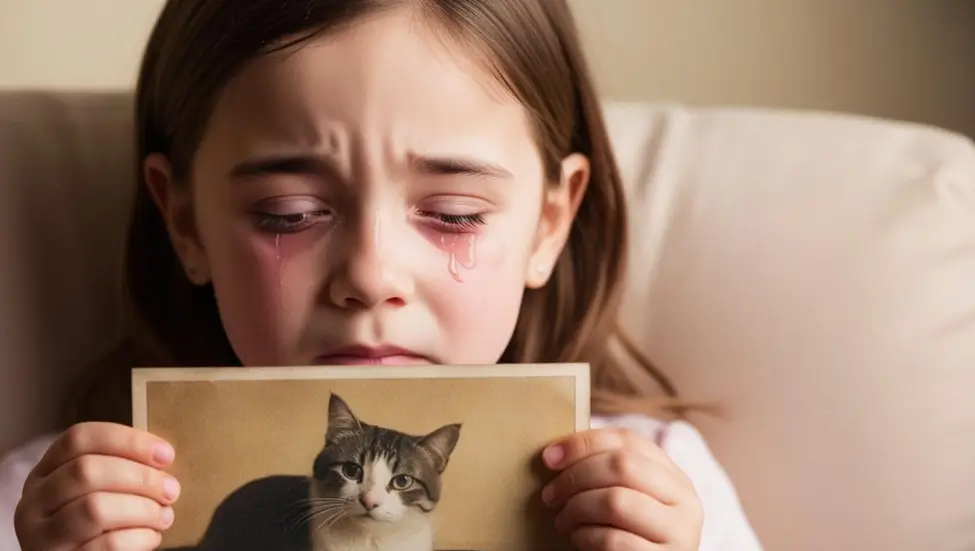
If you have children or other pets, they’re grieving too—even if they don’t know how to say it (or say it with words).
For kids:
- Be honest, age-appropriately
- Use clear language (“passed away” is clearer than “went to sleep”)
- Let them draw, write, or create to express their feelings
- Avoid rushing to “replace” the pet
For other pets:
- They may show changes in behavior—eating less, being clingy, or confused
- Keep routines consistent
- Give extra attention and comfort
- Let them explore the space where their friend used to be
- Pets notice. They miss too.
Step 6: You Don’t Have to “Move On”—Just Move Forward
People will ask, “Are you getting another pet?” or “Shouldn’t you be over it by now?”
You have permission to:
- Grieve for as long as you need
- Not “replace” your pet immediately (or ever)
- Adopt again when (and if) your heart feels ready
- Miss them forever, and still smile at the memories
- Healing doesn’t mean forgetting. It means remembering without breaking.
Final Tail Wags: Love Never Really Leaves
They came into your life, wagging tails, twitching whiskers, and endless love. They left paw prints not just on your couch, but on your heart.
Your pet may be gone from your arms, but never from your story. The love they gave—pure, messy, joyful, constant—is the kind that transcends time, space, and even the hardest goodbyes.
So take your time. Feel the feels. Celebrate their life, grieve their loss, and know: that kind of love is never wasted.