
The Best Practices for Caring for Aging Pets: Ensuring Happy Golden Years

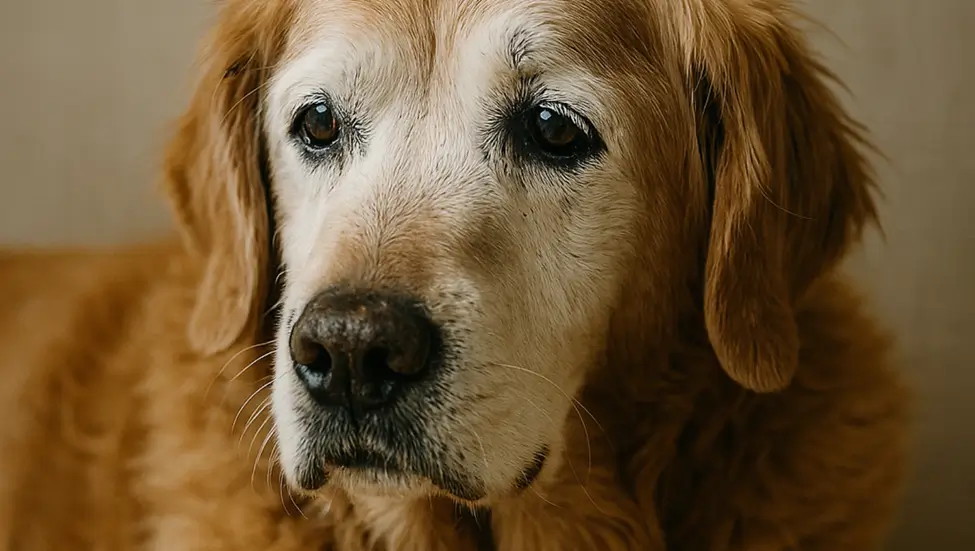
►INTRODUCTION
Your pet used to leap from couches like an action hero, bark at dust particles with youthful zeal, and speed around the house like a caffeine-fueled whirlwind. What about now? They like to slumber for 18 hours a day, sigh deeply before rising up, and give you the “I’d rather not” face when you suggest a walk.
Congratulations, you now have a senior pet. With that comes new duties, a little more patience, and the understanding that your once-wild furball has matured into a smart floof.
According to the 2024 Global Senior Pet Wellness Survey, one in every three households now has a pet over the age of seven, and 89% of pet parents admit they were unprepared for the special care that comes with older animals.
Fear not! With a little love, a lot of treats, and a dash of humor, you can make your pet’s golden years truly golden.
How Old Is “Old” in Pet Years?
Spoiler alert: that “seven years for every human year” math? It’s outdated.
Approximate “Senior” Age Benchmarks:
- Dogs: Small breeds (~10), medium breeds (~8), large breeds (~6–7)
- Cats: Around age 10, but some act elderly at 6 and others party till 18
- Rabbits, guinea pigs & other small pets: Senior status can start as early as 4
Pro tip: Every pet ages differently. If your cat still climbs the curtains at 13, don’t be surprised—but do be impressed.
1. Regular Vet Visits: The Real Fountain of Youth
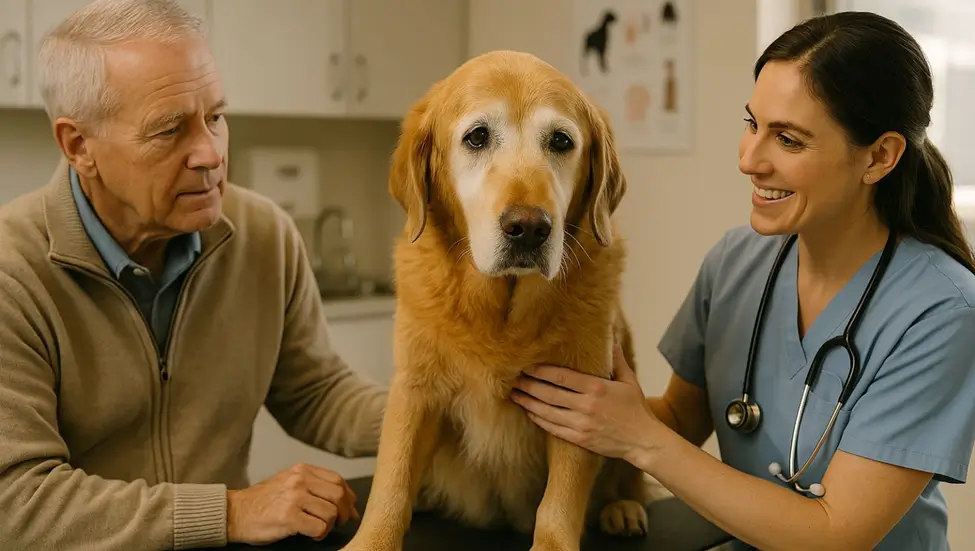
Your senior pet might not be a fan of vet visits (or even the idea of car rides), but regular checkups are more important now than ever.
What to focus on:
- Twice-yearly wellness exams
- Blood work to monitor organ function
- Arthritis checks (spoiler: it’s common)
- Dental health—bad teeth = bad health overall
- Weight monitoring to catch sneaky issues
According to the 2024 Pet Longevity Study, pets who received biannual vet care after age 7 lived 2–3 years longer on average than those who didn’t. That’s a lot more time for tail wags and couch cuddles!
2. Adjust Their Diet (No More Midnight Pizza Parties)
As pets age, their metabolism slows, and their nutritional needs shift. That means more quality protein, fewer carbs, and probably a little less bacon—sorry, Fido.
Tips for senior pet diets:
- Look for senior-specific pet food formulas
- Consider joint supplements with glucosamine and omega-3s
- Watch those calories to avoid “senior squish syndrome”
- Soft treats are a plus for pets missing a few teeth
Survey says: 66% of senior pets who switched to age-appropriate food showed improved energy levels and shinier coats within two months.
Also: always check with your vet before going full Gordon Ramsay with homemade meals.
3. Keep Them Moving—Even if It’s Just “Senior Zoomies Lite”
Exercise is still necessary to keep joints supple and minds bright, even for those who are no longer jumping over baby gates.
Senior-friendly movement suggestions include
- Short, easy walks with frequent sniff stops.
- Indoor play with feather wands, slow fetch, or puzzle toys
- Hydrotherapy or swimming (ideal for aching joints)
- Yes, there is such a thing as pet-safe yoga, but your cat will not follow the directions.
Important: Do not push it. If your dog wants to turn around 30 feet into the walk, that is acceptable.If your cat’s cardio is a sluggish paw swipe, that’s also acceptable
4. Comfort Is King (and Queen, and Grand puppy Emperor)
Senior pets require more rest and more support—literally
Make their space comfy:
- Orthopedic pet beds (ideally with memory foam because they deserve luxury)
- Blankets or heated pads for cold nights
- Access to their preferred bed or couch via stairs or a ramp
- Raised food and water dishes for better access
- And please, no more slippery flooring. To prevent your elderly dog from doing the unintentional “Scooby-Doo slide,” place a rug or mat down.
5. Stimulate Their Minds (Because Bored Pets Age Faster)
Mental exercise is just as crucial as physical activity. Keep their minds sharp with enrichment activities that don’t require them to chase a squirrel for six hours.
Brain-boosting fun:
- Food puzzles
- Hide-and-seek with treats
- Training sessions (yes, old dogs can learn new tricks)
- Sensory walks (sniffing is brain work!)
Fun stat: In a 2024 survey by PetBrainz, senior pets given enrichment games 3+ times per week were 50% less likely to show early signs of cognitive decline.
6. Be Patient with the Quirks (There Will Be Quirks)
Just like humans, aging pets can get a little… weird. That’s okay.
They might:
- Forget why they walked into a room (relatable)
- Bark at walls
- Take 20 minutes to find the perfect sleeping position (which is somehow upside down)
- Become clingier—or more independent
- It’s not personal. It’s part of aging. So give them a little grace, and maybe a few extra belly rubs.
Final Sniffs: Make the Golden Years Shine
Your senior pet has given you years of unconditional love, laughter, and fur on literally every black shirt you own. These later years are your chance to give it all back—with comfort, compassion, and as many snacks as their vet allows.
It won’t always be easy. But it will always be worth it. Because when they look at you—grey muzzle, cloudy eyes, and all—they don’t see time. They just see their person. Their best friend
And that? That’s the kind of love that lasts forever.