
Protecting Your Dog from Parvo Virus: Essential Tips and Insights


INTRODUCTION
►What Is Parvo? And Why Should You Care?
Let’s be honest: Parvo is serious business.
This highly infectious and potentially lethal virus primarily targets puppies and dogs that haven’t been vaccinated.
Picture your once energetic puppy suddenly becoming tired, losing its appetite, and suffering from intense vomiting or diarrhea. That’s the impact of Parvo—and it can escalate quickly.
What the Parvo Virus Targets:
- The digestive system
- White blood cells
- In certain situations, the heart (especially in very young puppies)
Let’s change that with some interesting facts, essential actions, and cheerful tips!
►Signs of Parvo: Be Aware of the Warning Signs
The quicker you identify the symptoms, the sooner you can seek assistance. Timely treatment could save your dog’s life.
Watch for:
- Tiredness (your usually energetic dog is now very drowsy)
- Severe throwing up
- Diarrhea that is bloody and smells unpleasant
- Not wanting to eat
- Fever or low body temperature
Emergency Alert: If you notice these signs, don’t hesitate—go directly to the vet. Parvo can be deadly within 48 to 72 hours without treatment.
►The kryptonite of parvo is vaccination.
Key tactic: Get the vaccination on schedule!
- The DHPP vaccine (Distemper, Hepatitis, Parvovirus, Parainfluenza) contains parvo.
- Beginning at 6–8 weeks, puppies require a course of vaccinations, with booster doses every 3–4 weeks until 16 weeks.
- Every one to three years, adult dogs require booster shots; your veterinarian will advise you on this.
- 80–90% of dogs who receive vaccinations go on to develop complete immunity. Your best line of defense against parvo is this.
- According to the survey, 46% of new puppy parents were unaware that repeated boosters are necessary for complete protection!
►How to Protect Your Area from Parvo:
- Using diluted bleach (1 part bleach to 30 parts water), wash toys, bowls, crates, and floors.
- After coming into contact with any ill dogs, wash your hands and clothing.
- Use pet-safe disinfectants that are rated to eradicate viruses such as Parvo.
- If you’ve ever had a case of Parvo at home, isolate the area and stay away from introducing new dogs for a few months.
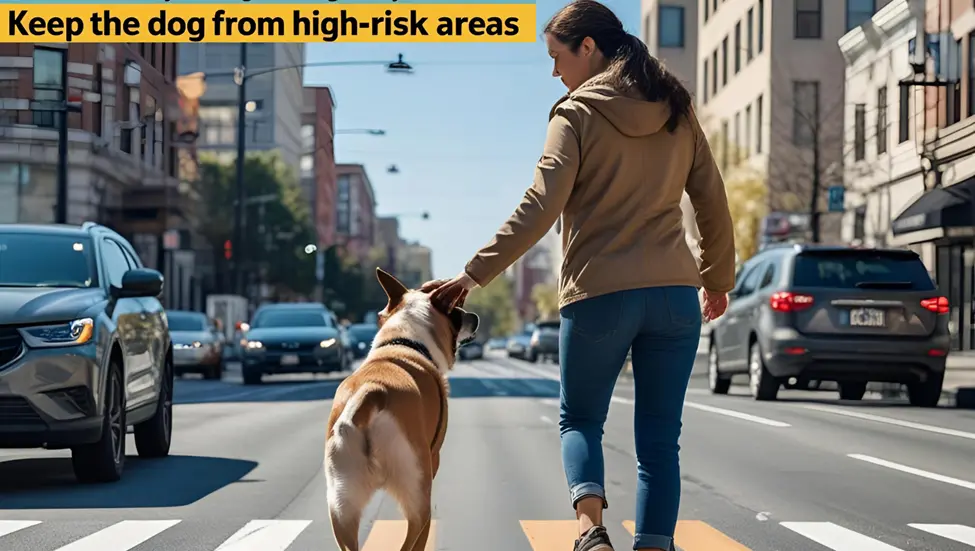
►Socially Intelligent: Stay Away From High-Risk Areas
Avoid the following until your dog has received all of its vaccinations:
- Dog parks
- Shops for pets
- Groomers
- Rest areas and public walkways
- Instead, follow these guidelines:
- Yards that are private
- Play areas inside that are clean
- Classes in puppy socialization that have been given the go-ahead by a veterinarian
Friendly Advice: Even minute quantities of fecal matter that remains on shoes or grass can spread parvo!
►Don’t track parvovirus home on your footwear.
Yes, your sneakers might be the bad guy.
Parvo can catch a ride on:
- Shoes
- Hands
- Automobile tires
- Apparel
- Paws of other animals
What You May Do:
- Put a disinfectant foot mat at your entrance.
- After interacting with other dogs in different locations, change attire and wash hands.
- Maintain a shoes-off policy in pet areas.
- Parvo infections occur in indoor dogs at a rate of 1 in 5 when they are indirectly exposed by people.
►Certain breeds are more susceptible.
Breeds at Greater Risk:
- Rottweilers
- Doberman Pinschers
- Pitbulls
- German Shepherds
- Labrador retrievers
Because these breeds may have lower immune responses to Parvo, it’s especially crucial to keep up with immunizations and hygiene.
►Adult dogs are not immune to harm.
- Adult dogs can contract Parvo, especially if: however, puppies under six months old are the most susceptible.
- They did not receive booster shots.
- They have never received any vaccinations.
- Their immune systems are compromised.
Survey Fact:
Despite the fact that immunity might wane with time, just 23% of pet parents have their adult dogs checked for it.
- Ignoring parvo is more costly than you may realize.
- The Cost of Parvo Treatment May Include:
- $1,000–$4,000 for hospitalization, medication, IV fluids, and isolation
- Your dog and you are experiencing emotional distress.
- Recovering for days or weeks
- $20 to $50 for each dose of the vaccine.

►10 Simple Ways to Keep Your Dog Safe
- Vaccinations should begin between six and eight weeks.
- By 16 weeks, complete the entire course of puppy vaccinations.
- Plan boosters in accordance with your veterinarian’s advice.
- Until your dog has received all of its shots, stay away from hazardous locations.
- Before entering your house, wash your hands and disinfect your shoes.
- Use bleach or a disinfectant that kills viruses to sanitize bowls, toys, and boxes.
- Ask your veterinarian about a titer test, which assesses your immune response.
- Watch out for early symptoms, and respond quickly if you see them.
- When bringing in new pets for adoption or foster care, exercise caution.
- Having a vet-approved vaccination record at hand is essential.
►Authentic Puppy Tales: “Parvo Nearly Took My Dog…”
Say hello to Benny, a 10-week-old Lab. His owners believed that he was simply “teething and exhausted.”
He had Parvo, as it turned out.
What prevented him from dying?
- A trip to the vet at short notice
- Twenty-four hour hospitalization
- Invoices totalling $2,800
- Lots of love
Benny is a joyful, energetic child now, but his family reports the following:
“We will never again postpone a vaccine.”
►Conclusion: You Are Your Dog’s Superhero
Although parvovirus can be frightening, the solution is straightforward: get vaccinated, sanitize, and keep up with the latest information.
You can defend your dog because they are unable to do so.
You may provide your puppy the greatest opportunity for a long, tail-wagging, Parvo-free life by taking a few simple actions.
Right now, double-check your vaccination card and give your dog a belly rub.