
Effective Strategies to Prevent Pet Abuse: A Guide for Animal Lovers

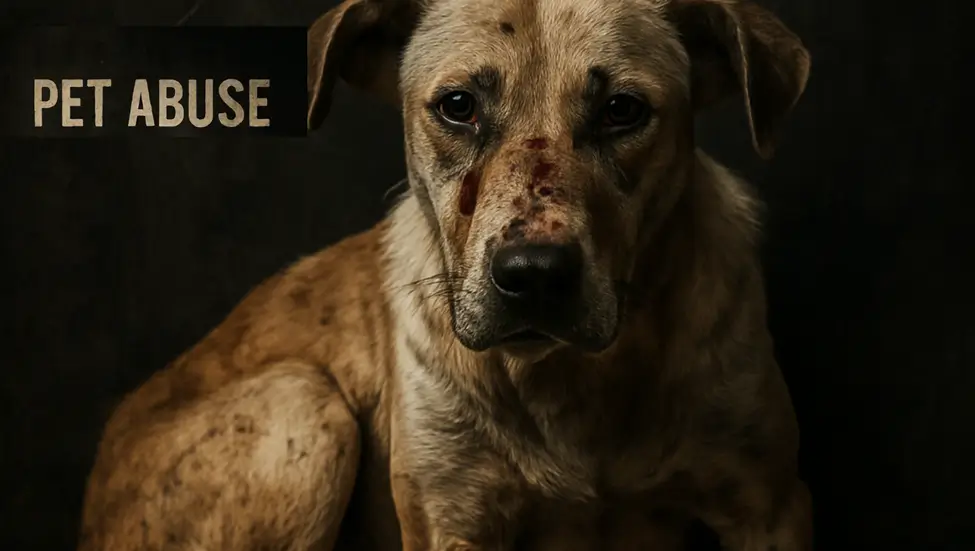
INTRODUCTION
When we forget their treats, pets would probably text us passive-aggressive emojis, file lawsuits, or form unions if they could communicate in human languages. They are unable to, unfortunately. For this reason, it is our duty, as their devoted yet occasionally ignorant people, to make sure they get the affection, attention, and belly rubs they merit.
Using current polls, professional counsel, and a dash of fur-covered knowledge, this book provides a humorous but serious approach to preventing pet abuse.
1: Realizing the True Nature of Pet Abuse
Not all abuse includes thunderbolts and villainy. A portion of it is unintentional, understated, and motivated by good intentions.
Varieties of animal abuse:
- Physical Abuse – Using shock collars, hitting, or kicking as if you were training a Pokémon.
- Neglect – neglecting to groom them, feed them, or pay attention to them for days.
- Emotional Abuse: Screaming at your cat for not paying rent (they lack thumbs, you know).
- Over-discipline – Transforming your dog’s existence into a military boot camp. Sergeant Bark, yes.
Pro Tip: You probably did ruin your dog’s birthday if they stare at you as if you did.
2: How to Avoid Abuse Like an Expert
You don’t need a PhD in Barkology to be a decent pet owner. Nothing more than love, patience, and the capacity to open treat packets
Education: Learn Before You Leash
- Go to a seminar on pet care. In 2025, several towns provide free courses.
- Know the unique requirements of each breed. A Husky doesn’t have a gym membership like a Chihuahua.
- Follow YouTube channels that are advised by veterinarians. (Not the one where a man instructs cats how to skateboard.)
Create a pet-friendly atmosphere in your house by doing the following:
- Make your home pet-proof by keeping cords, sharp objects, and your grandmother’s favorite vase out of reach.
- Offer enrichment in the form of toys, games, and room for spectacular canine zoomies.
- Set up pet cameras to check in and see if they’re napping sweetly in strange postures.
- Due to their need for routine, pets love consistency.
- Give them food at the same times. The suspense of “will-I-get-dinner-or-not?” is not appreciated by anybody.
- Take them for walks frequently. Your Labrador doesn’t want to become a live throw pillow.
- Plan routine vet visits, not just when Fluffy becomes green.
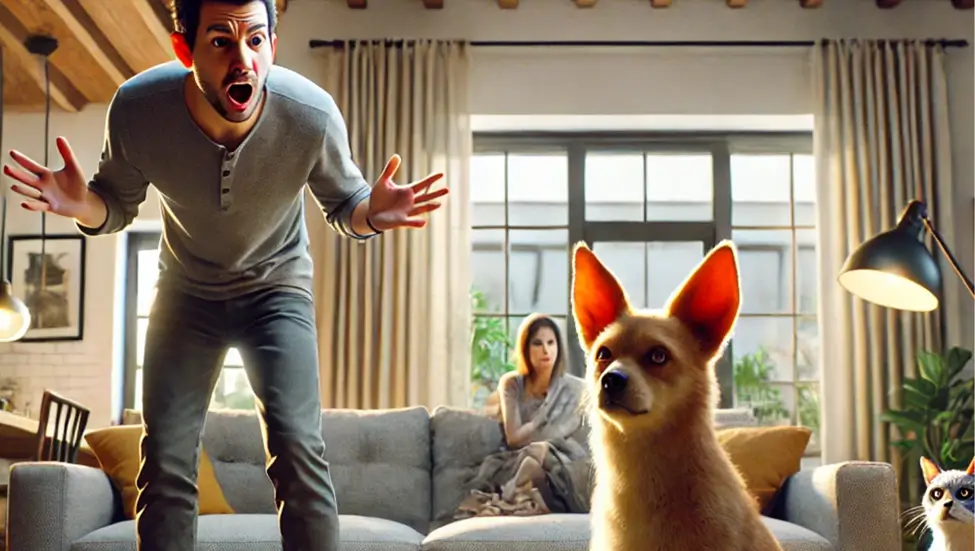
3: Reporting Abuse Without Starting a Neighborhood War
You’ve spotted something suspicious. But you don’t want to be that nosy neighbor. What now?
When to Speak Up:
- You hear constant cries or see visible injuries.
- Pets are kept in filthy conditions or always chained up.
- Someone brags about “disciplining” their animal with a tennis racket.
How to Take Action (Without a Superhero Cape):
- Contact local animal control or shelters.
- Use anonymous reporting apps like PawWatch (launched in 2025).
- Document with photos or notes—but don’t play James Bond unless you want to get bitten by more than just the dog.
Remember: You’re not tattling. You’re being their voice.
4: Join the Anti-Abuse Avengers
You don’t need mutant powers to save pets. Just a little initiative (and maybe a donation jar shaped like a golden retriever).
Ways to Get Involved:
- Foster or adopt instead of buying from shady breeders who sound like Bond villains.
- Volunteer at your local shelter. Bonus: unlimited puppy kisses.
- Educate your circle. Got a cousin who thinks cats are waterproof? Send them this essay.
- Support legislation. Sign petitions, call your reps, and tell them you vote with your dog’s approval.
- Run a Campaign… Or At Least a Bake Sale
- Host a fundraiser with pet-shaped cookies.
- Start a TikTok where your pug raps about pet safety.
- Create “No Paws Left Behind” awareness merch. (Matching hoodies, anyone?)
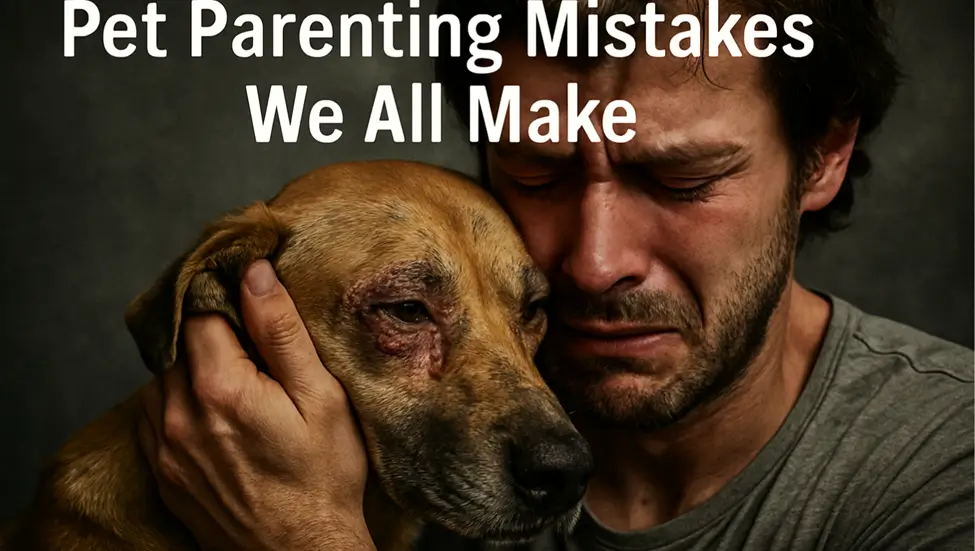
5: Pet Parenting Mistakes We All Make (But Can Fix)
Confession time.We’ve all been there. Here are some oopsies and how to avoid them.
Common Blunders:
- Thinking pets are low-maintenance. Spoiler: They are not cacti.
- Feeding them human food. No, your Pomeranian doesn’t want your wasabi sushi.
- Leaving them alone too long. Dogs get lonely. Cats plot revenge.
- Ignoring signs of distress. Excessive licking, hiding, or the classic poop-on-your-shoes statement.
- Fixing these is easy. Just pay attention, be kind, and accept that your living room belongs to your dog now.
6: What Pets Would Tell Us (If They Could)
If we could decode barks, meows, chirps, and judgmental stares, here’s what pets might say:
- “Stop using me as a prop for your dating profile. Unless you’re bringing treats.”
- “Respect my personal space. I am majestic. And slightly demonic.”
- “I’m not a starter pet. I’m an introverted fluff wizard.”
- “Quit making Indiana Jones jokes. I’m a chill noodle.”
Conclusion: Be Their Human Hero
Preventing pet abuse isn’t just about stopping cruelty. It’s about creating a world where tails wag, whiskers twitch, and pets feel safe enough to nap belly-up without fear. It’s about being a better human—one belly rub at a time.
So next time you cuddle your furry friend, remember: They’re not just animals. They’re family, roommates, therapists, and the only ones excited to see you after a five-minute absence. Now go, animal lover! Change the world. Or at least start with your street.