
Creating a Dig-Friendly Zone: How to Redirect Your Dog’s Digging Instincts

►INTRODUCTION
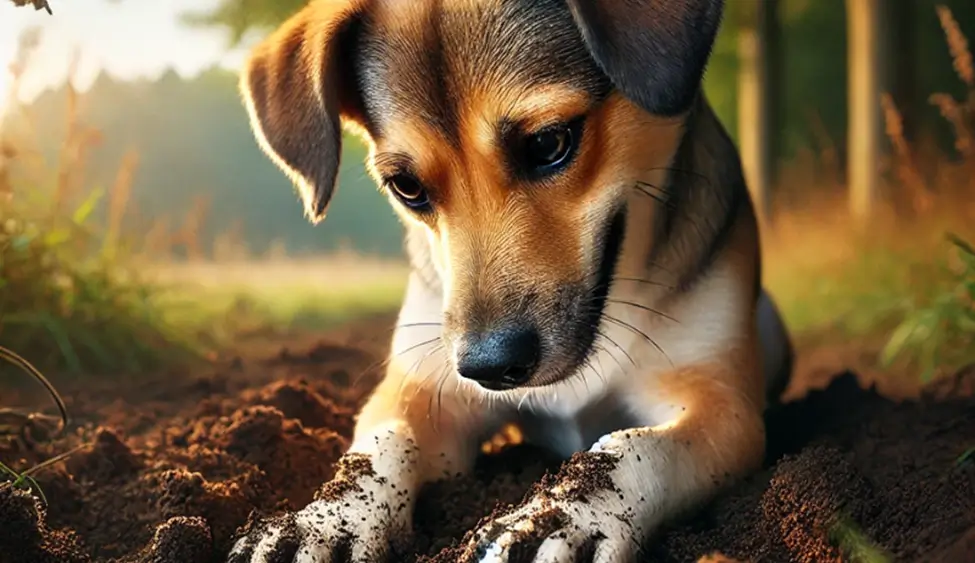
Dogs are naturally inclined to dig; this activity stems from their survival instincts and ancestry. Pet owners may find this activity annoying, but it’s important to know why dogs dig and how to deal with it. Over 65% of dog owners say their pups dig in the yard, which frequently results in ruined lawns, ruined gardens, and annoyance, according to a 2024 American Pet Behavior Association survey. However, it is preferable to reroute dogs’ inclinations by establishing a specific dig-friendly area rather than punishing them for digging.
►Why Do Dogs Dig? Understanding the Instincts
Before addressing solutions, it is crucial to understand the underlying reasons why dogs dig. Research from the 2024 Canine Behavioral Study identifies four primary reasons:
1. Seeking Comfort and Cooling
Dogs often dig holes to escape extreme weather conditions. In summer, they dig to expose cool soil and create a comfortable resting spot.
2. Hunting and Prey Drive
Certain breeds, such as terriers and dachshunds, have a strong prey drive. Their natural instinct leads them to dig in search of small burrowing animals like moles or rodents.
3. Excessive energy and boredom
According to a National Canine Research Council research, 78% of dogs who dig too much don’t get enough mental and physical activity. Dogs that are left alone for extended periods of time often dig as a kind of amusement.
4. Stress and anxiety
Excessive digging is one of the compulsive behaviors brought on by separation anxiety or stress. Anxious dogs may dig as a coping strategy to decompress or try to get out of their cage.
►Redirecting the Digging Instinct: The Dig-Friendly Zone Solution
Instead of trying to stop a natural behavior, pet experts recommend redirecting it to an appropriate area. Creating a dig-friendly zone allows your dog to indulge in its instinct without harming your garden or lawn.
Step 1: Choosing the Right Spot
Select a shaded, quiet corner of your yard where your dog will feel comfortable digging. Avoid high-traffic areas to keep the digging confined to a single space.
Step 2: Creating an Appealing Digging Pit
- Use soft, loose soil or sand that is easy for your dog to dig in.
- Border the area with wooden planks or large rocks to define the space and prevent spreading.
- Keep the depth around 12-18 inches to satisfy digging instincts while maintaining a manageable space.
Step 3: Motivating Your Canine to Utilize the Zone
Positive reinforcement is essential to teaching your dog to use the assigned digging area. Among the techniques are:
- To increase interest, place toys or goodies nearby.
- Set a good example by doing a little digging yourself to demonstrate to the dog that it’s okay.
- Every time your dog uses the zone appropriately, give them goodies and praise.
- Other Techniques to Cut Down on Unwanted Digging
►Other Methods to Cut Down on Unwanted Digging
1. Boost Physical Activity and Mental Activity
Dogs who get at least 60 minutes of exercise every day have fewer destructive behaviors, according to a 2024 survey by the Canine Activity Research Institute. Excessive digging can be considerably decreased by engaging in activities like retrieve, agility training, and long walks.
2. Switch Up the Toys and Activities for Enhancement
Dogs grow bored easily. Giving them interactive toys, puzzle feeders, and a weekly toy rotation keeps their minds active and curbs their destructive impulses.
3. Employ Natural Disincentives in Restricted Spaces
Try the following if your dog keeps digging in undesirable places:
- Dogs don’t enjoy smells like cayenne pepper, vinegar, or citrus peels.
- Sprinklers that are activated by motion can subtly deter digging in prohibited areas.
►Best Dog Breeds for Dig-Friendly Zones
While all dogs can benefit from a designated digging area, certain breeds are particularly prone to digging and will thrive with this setup. According to a 2024 survey by the American Kennel Club, the top digging breeds include:

- Terrier Breeds (Jack Russell, Cairn, Airedale)
Bred for hunting burrowing animals, these breeds have a natural inclination to dig.
- Dachshunds
Originally used for badger hunting, dachshunds enjoy tunneling and digging.
- Siberian Huskies
Huskies dig to cool down in warmer climates, making a dig-friendly zone a great solution.
- Beagles
With their strong scent drive, Beagles often dig in search of buried scents and small creatures.
- Border Collies and Australian Shepherds
Highly intelligent and energetic, these breeds may dig out of boredom if not mentally stimulated.
►Typical Errors to Avoid in the Management of Digging Behavior
When attempting to control their dog’s digging, some pet owners make blunders, even if they mean well. Here are a few typical dangers and how to stay clear of them:
1. Reprimanding Your Dog Following the Fact
Dogs don’t connect punishment to past behavior. Focus on guiding their conduct to the approved digging zone rather than reprimanding them.
2. Not Offering an Alternative
Telling your dog “no” won’t fix the issue if you don’t provide a suitable outlet for their digging. Make sure kids have a specific space where they can follow their instincts.
3. Ignoring Stimulation and Exercise
A dog that is exhausted is a well-behaved dog. Examine your pet’s exercise regimen and mental enrichment activities if they persist in digging excessively.
4. Training Inconsistency
Your dog will become confused if you permit digging in certain places but not in others. Reinforce where they can and cannot dig consistently.
► Conclusion: A Solution That Benefits Both Dogs and Their Owners
A useful and compassionate way to deal with your dog’s innate digging tendency is to create a dig-friendly area. You can safeguard your yard and keep your pet content and active by knowing why dogs dig and giving them a suitable outlet.
You can positively reroute your dog’s behavior by providing a specific digging area, increasing exercise, providing enrichment activities, and training your dog consistently. Embrace your dog’s instincts in a healthy, controlled manner rather than fighting against them; this will make your pet happier and your yard less stressful.