
A Pet Owner’s Guide: Foods to Avoid for Your Pet’s Well-Being

INTRODUCTION
That instant when you’re eating dinner and your dog looks at you with the most adorable puppy eyes, as if to say, “I haven’t eaten in weeks, please share that delicious human food.” Or your cat gives you a hard look, silently evaluating your dietary selections like a miniature, furry food critic.
We’ve all been there. And in all honesty, it’s difficult to say no to those faces. But here’s the truth: what tastes good to us might be bad for them.
Our pets have different physical makeups, even though we enjoy pampering them. Some of the snacks we consume regularly can have catastrophic consequences, ranging from stomach pain to life-threatening emergencies. Therefore, before you sneak that “harmless” treat under the table, let’s discuss which foods are better left on your plate and out of their bowls.
1. The Classic No-No: Chocolate
Chocolate is fantastic for people but really bad for pets. They cannot process theobromine and caffeine, which are two compounds that their bodies are unable to handle.
Although milk chocolate can cause vomiting, restlessness, or worse, baking chocolate and dark chocolate are the worst offenders.
That brownie seems like paradise to your dog. Their system is complete mayhem. Therefore, the next time you bake, make sure the cocoa is out of paw’s reach, as this delectable treat may quickly become sour.
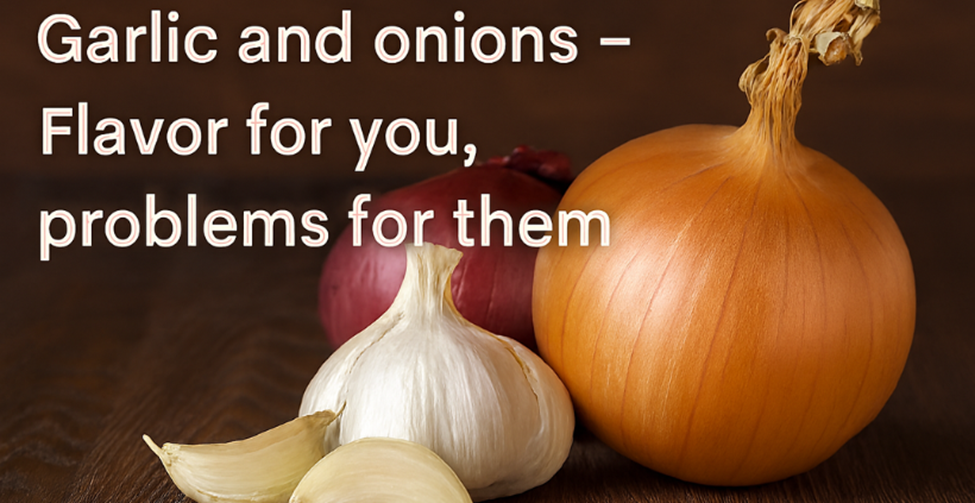
2. Garlic and onions – Flavor for you, problems for them
Although we adore a delicious stir-fry, your pet’s red blood cells don’t. Both onions and garlic (as well as their relatives leeks and chives) include chemicals that can harm those cells, resulting in anemia.
Doesn’t matter if it’s raw, cooked, or in powder form. They are all negative.
Your cat or dog may not show symptoms immediately if it steals a taste of something garlicky, but you may experience tiredness, weakness, and pale gums afterward. The conclusion is that you should save those fragrant foods for your recipes rather than their kibble.
3. Raisins and grapes : The pleasant surprise
Why grapes and raisins induce renal failure in certain dogs remains a mystery that even scientists have not completely figured out. But they do.
Even little amounts can be harmful, resulting in lethargy, vomiting, or worse. And don’t assume cats are in the clear—even if they aren’t as prone to eat fruit, they are still capable of reacting.
Therefore, if you’re sharing a fruit salad, move the dish a bit farther away. Better safe than sorry.
4. Avocado: Trendy yet Problematic
Even though avocados are the main attraction on your toast, they are not good for animals. They include persin, a natural poison that can induce gastrointestinal problems in dogs and cats and is particularly hazardous to birds and other small animals.
Although a lick or two of guacamole may not put your pet in danger, it’s still best to avoid it. Furthermore, who wants to share guacamole anyway? 🥑😉
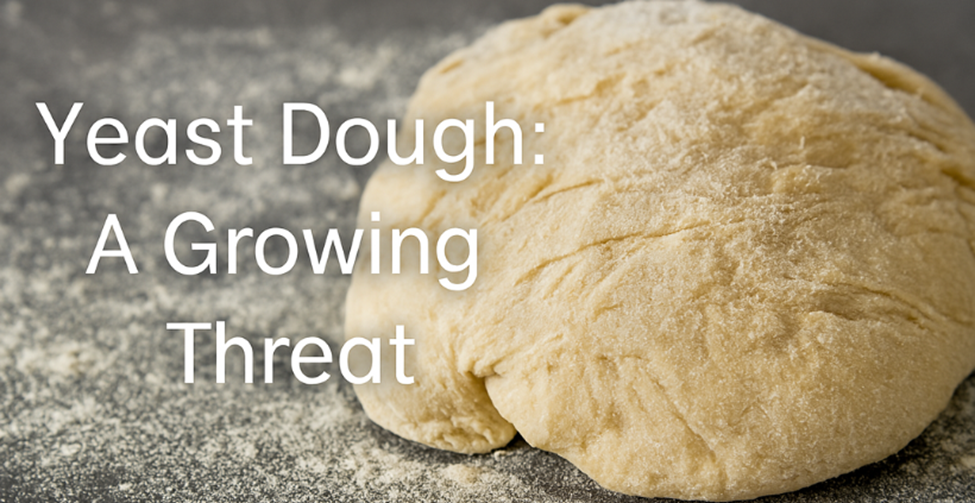
5. Yeast Dough: A Growing Threat
After consumption, uncooked dough may actually rise in your pet’s stomach, which is a recipe for disaster. Alcohol and gas are produced during the fermentation of yeast, which can result in bloating, discomfort, and even alcohol poisoning.
Generally speaking, bread is safe to eat in moderation after it has been baked. However, what about uncooked? Absolutely not
6. Caffeine and alcohol: the party’s over.
There is no need for a cocktail hour or a caffeine high for pets. Both caffeine and alcohol over stimulate their bodies, resulting in hyperactivity, tremors, and maybe life-threatening responses.
Coffee grounds, energy drinks, rum-soaked sweets, and other “hidden” sources can also be harmful.
Instead of giving your pet a treat when they want one as you enjoy your latte, give them a biscuit instead. Later, they’ll be grateful to you (and your veterinarian certainly will).
7. Salty Snacks – Tempting but Dangerous
For pets, the movie night spread of chips, pretzels, and cured meats is a salt bomb.
Excessive sodium intake may result in sodium poisoning, tremors, or dehydration. Their day won’t be ruined by one chip, but by a few? That’s a dangerous line of work.
The real snack is when your pet simply wants to sit next to you on the sofa; they don’t need popcorn seasoning.
8. The Sneaky Saboteur – Cooked Bones
The fact that cooked bones are not safe is startling. Because they break apart so easily, they can lead to choking or internal wounds.
Choose durable, vet-approved alternatives like rubber toys or dental chews made just for chewing if you want to give your dog something to chew on.
Conclusion: The Bowl Is Full of Love
Ultimately, maintaining the health of your pet is about saying “yes” to the correct things rather than saying “no.” Yes to a balanced diet, healthy snacks, and the rare treat that isn’t accompanied by any risk.
Therefore, keep in mind the next time those large eyes plead for a bite of your dinner: the greatest present you can give them is a long, healthy life—one wag, one purr, and one secure meal at a time.