
10 Ways to Calm Your Dog Naturally


We’re going to assist you in getting your dog comfortable today by giving you the resources you need. It is your responsibility as a responsible and caring dog owner to make sure that your pet is well taken care of. Naturally, this entails giving them the right food and drink to keep them nourished. Pet’s owners must know that how to calm your dog naturally.
However, it also entails attending to your pet’s emotional needs. It’s vital to have a variety of techniques at your disposal to aid in your dog’s relaxation. We sincerely think that if your dog is anxious, you should be at least somewhat aware of these strategies.
Nothing is more affectionate, devoted, or companionable than a dog, but like people, dogs can experience anxiety and stress.
It’s critical for a dog’s well-being to understand the best natural methods for keeping calm your dog. Before discussing a prescription option with your veterinarian, consider these methods to help your pet relax.
1. Discover the Dog Anxiety Causes
There could be a number of reasons why your dog appears tight, nervous, or in need of relaxation. You must identify the source of the worry in order to determine how to address it.
Keep track of the times when your dog seems anxious. What connects these circumstances? Does your dog constantly require a moment of calm following a loud noise? Suppose they observe you preparing to leave the house? Among the many other reasons your dog could be nervous, these two are common causes.
2. Touch therapy and massage:
In addition, pets can gain from touch therapy in the same way that people do. You may help your pet relax and relieve stress by giving them gentle massages. It also lessens muscle stiffness and aids in circulation improvement. Additionally, based on your pet’s preferences, you can use a variety of techniques, such as lengthy strokes or circular motions. Always be considerate and pay attention to how they react to make sure they are at ease and having fun.
3. Establish and Stick to a Schedule
For your dog to feel secure and at ease, you must develop a routine. Dogs are obedient animals who enjoy routine and consistency. Routines include feeding, exercising, playing, and sleeping schedules.
To prevent confusion or stress in your dog, try to be as constant as you can. Stress can be brought on by just a little scheduling adjustments. You can keep your dog healthy and mentally engaged by feeding and exercising them on a regular basis. Establishing a regular bedtime for your dog will help guarantee that they get enough rest.
4. Establishing a peaceful Environment
It’s important to establish a peaceful environment for your pet in addition to being aware of the telltale indications of stress. Moreover, this can be accomplished by offering your pet a secure haven where they can hide when they’re feeling overwhelmed. This could be a special spot in your house with their bed and favorite toys, or it could be a quaint corner. Therefore, it is crucial to make sure that this area is free of loud noises and other distractions that can cause tension.
5. Relaxing Music and Aromatherapy
These complementary therapies can also be quite effective in relieving anxious pets. Their heart rate can be lowered and relaxation can be encouraged by listening to slow-paced, gentle music. Moreover, some smells, such as chamomile or lavender, might help animals relax. You can sprinkle their allocated area with diluted aromatic mists or use an essential oil diffuser that is suitable for pets. Additionally, goods made especially for pets, such as pheromone diffusers, can help lessen anxiety.
6. Playtime And Exercise Are Vital
Dogs need to play and exercise in order to be mentally and physically healthy. Regular exercise helps dogs feel less stressed and anxious by releasing endorphins, which are released in addition to burning off extra energy.
There are lots of things you can do with your dog, including going on walks, playing fetch, playing tug-of-war, or just running around the backyard. Engaging in these activities alongside your dog will help them psychologically and physically.
7. Apply Techniques for Desensitization
Desensitization methods can be employed to assist your dog in overcoming anxiety and concerns. Gradually introduce your dog to the anxiety-inducing stimulus in a positive, supervised environment. If your dog is noisy-phobic, you can play a tape of a low-level noise at first and turn up the volume gradually.
Methodical desensitization, which progressively exposes your dog to anxiety while teaching relaxing skills, and counterconditioning, which links the cause of anxiety with good experiences, are two strategies you can employ. It’s crucial to collaborate with your veterinarian or behaviorist to make sure you handle your dog’s desensitization in a safe way.
8. Consult your veterinarian
If your puppy exhibits indications of stress and anxiety, you should work with your veterinarian to create a comprehensive plan for naturally relaxing your dog. Prescription medicine, behavior modification therapy, or referral to a veterinary behaviorist are possible further therapies suggested by your veterinarian. Selecting the natural soothing methods that work best for your dog can be accomplished by consulting with your veterinarian.
Remember that each dog is different, thus it’s crucial to keep in mind that what suits one dog could not suit another. You should always speak with your dog’s veterinarian if you have concerns about their level of anxiety.
9. Running with your pup
It is a bonding experience as much as an exercise routine. Your dog senses the cadence of your steps as you go off on the path or sidewalk together, causing them to pace themselves in time with you. Their senses are awakened by the new sights and smells of the fresh air. The delight of camaraderie replaces the stress with every stride. There’s a real connection when their tail wags in time with your heartbeat. Running transforms from a physical exercise into a shared adventure that strengthens your relationship and builds trust. Together, you travel great distances, putting troubles behind you, and coming home feeling revitalized.
10. Give them Pet’s Calming Supplement
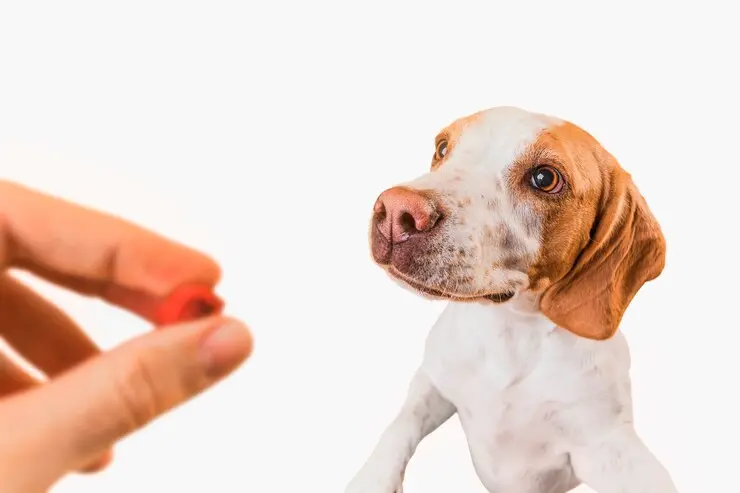
Supplements to keep calm your dog, offer a natural solution to soothe anxious pups. Crafted with ingredients like chamomile, valerian root, and L-tryptophan, these supplements promote relaxation without sedation. They ease stress from thunderstorms, separation anxiety, or vet visits. Administered as treats or added to food, they’re convenient and palatable. By targeting neurotransmitters associated with calmness, they help dogs find their Zen amidst chaos. Whether it’s a daily regimen or situational use, these supplements provide peace of mind for pet parents. With their gentle effectiveness, they ensure furry friends can face life’s challenges with composure and confidence.
In conclusion, helping our stressed-out pets achieve serenity and peace of mind requires an understanding of the art of relaxation and the application of soothing practices. We can support our pets’ emotional well-being and help them lead happier, stress-free lives by identifying the signs of stress, establishing a calm environment, incorporating calming music and aromatherapy, giving massage and touch therapy, playing and exercising frequently, adhering to a routine, and getting professional help when necessary. Recall that the secrets to building a peaceful relationship with our cherished furry friends are patience, love, and empathy.